
mon premier guide de l auto
“Mon Premier Guide de l’Auto” is a comprehensive resource for first-time car owners, offering expert advice on buying, maintaining, and understanding modern vehicles. It includes detailed comparisons, reliability insights, and practical tips for electric and hybrid models, ensuring a smooth transition into car ownership.
1.1 Overview of the Guide
“Mon Premier Guide de l’Auto” is a trusted resource for car enthusiasts and first-time buyers, offering detailed insights into the automotive world. It covers topics like choosing the right vehicle, maintenance tips, and safety features, while also exploring future trends in electric and hybrid cars. The guide includes comparative reviews of over 350 models, focusing on reliability, fuel efficiency, and long-term costs. It serves as both a practical handbook for buyers and a tribute to the legacy of its founder, Jacques Duval, making it indispensable for anyone navigating the world of automobiles.
1.2 Importance of Car Ownership for Beginners
Car ownership is a significant milestone, offering freedom, convenience, and independence. For beginners, it provides a sense of accomplishment and responsibility. Owning a car ensures reliable transportation, saves time, and opens up opportunities for travel and exploration. It also serves as a long-term investment, with some vehicles retaining their value over time. Understanding the basics of car ownership, from maintenance to budgeting, is crucial for making informed decisions and avoiding costly mistakes. This guide helps newcomers navigate these aspects with confidence and clarity.
1.3 Key Features of the 2025 Edition
The 2025 edition of “Mon Premier Guide de l’Auto” offers detailed comparisons of over 350 car models, focusing on reliability, fuel efficiency, and long-term costs. It includes in-depth reviews of electric and hybrid vehicles, essential for eco-conscious buyers. The guide also features expert tips on budgeting, test drives, and DIY maintenance. A special tribute to Jacques Duval, the founder, highlights his legacy in shaping automotive knowledge in Quebec. This edition is a must-have for beginners, providing clarity and confidence in navigating the complex world of car ownership.
Choosing the Right Car for You
Selecting the perfect vehicle involves balancing reliability, budget, and personal preferences. The guide helps beginners evaluate these factors, ensuring a confident and informed decision for their first car.
2.1 Factors to Consider When Selecting a Vehicle
When choosing a car, consider reliability, budget, fuel efficiency, and size. Assess your lifestyle needs, whether for daily commuting or family use. Evaluate purchase price versus long-term costs, including maintenance and insurance. Research the vehicle’s history and brand reputation. Test drive models to ensure comfort and performance. For first-time buyers, prioritize durability and lower ownership costs. Electric and hybrid options are also worth exploring for environmental benefits and potential savings. A well-informed decision ensures satisfaction and financial stability for years to come.
2.2 Reliability and Durability: What to Look For

Reliability and durability are crucial for long-term satisfaction. Look for brands with a proven track record, such as Toyota, known for retaining value and lasting performance. Check the vehicle’s maintenance history and reviews for common issues. Durable models often have lower repair costs and longer lifespans. Test drive to assess comfort and performance. Prioritize cars with comprehensive warranties and good resale value. A reliable vehicle reduces stress and financial burdens, making it a worthwhile investment for first-time buyers.
2.3 Budgeting: Purchase Price vs Long-Term Costs
Budgeting for a car involves balancing the purchase price with long-term expenses. While the initial cost is important, consider insurance, fuel, and maintenance. Research shows that cheaper cars may have higher maintenance costs over time. Compare models to find a balance between affordability and durability. Tools like the 2025 Guide can help estimate total ownership costs. For first-time buyers, prioritizing reliability often saves money in the long run. Plan for unexpected expenses and consider setting aside a monthly budget for vehicle care.
Understanding Different Types of Cars
Explore various car types, including hatchbacks, sedans, SUVs, electric vehicles, and hybrids. Each offers unique benefits, from fuel efficiency to space, helping you choose the best fit for your needs.
3.1 Hatchbacks, Sedans, and SUVs: Pros and Cons
Hatchbacks offer fuel efficiency and affordability, ideal for city driving, but may lack space. Sedans provide comfort and style, suitable for daily commutes, though less versatile. SUVs excel in versatility and cargo capacity, perfect for families, but often have higher costs and lower fuel efficiency. Each type caters to different needs, helping buyers choose based on lifestyle and preferences.
3.2 Electric Vehicles: Benefits and Drawbacks
Electric vehicles (EVs) offer numerous benefits, including reduced environmental impact, lower operating costs, and modern technology features. They require less maintenance and provide a smoother, quieter driving experience. However, EVs often come with higher purchase prices and limited charging infrastructure, which can cause range anxiety. Battery durability and charging time are also concerns for long-distance travelers. Despite these drawbacks, government incentives and improving technology make EVs an attractive option for eco-conscious buyers seeking a sustainable future.
3.3 Hybrid and Rechargeable Hybrid Models
Hybrid and rechargeable hybrid models combine fuel efficiency with reduced emissions, offering a balanced choice for eco-conscious drivers. These vehicles use both combustion engines and electric motors, optimizing performance and lowering operating costs. Rechargeable hybrids, like plug-in models, allow for extended electric-only driving, further cutting fuel consumption. While they may have higher upfront costs, their long-term savings and environmental benefits make them appealing. They also bridge the gap for drivers transitioning to fully electric vehicles, providing flexibility and reliability.

The Car Buying Process
Navigating the car buying process involves understanding your needs, budget, and options. This guide provides insights on choosing the right vehicle, negotiating, and finalizing your purchase smoothly.

4.1 New vs Used Cars: Which is Better for Beginners?

Choosing between a new or used car depends on your budget, needs, and preferences. New cars offer warranties, the latest safety features, and better fuel efficiency, especially with electric and hybrid models. Used cars, while more affordable, may require more maintenance. For beginners, a reliable used car can be a cost-effective start, while a new car provides peace of mind and modern technology. Consider your lifestyle and long-term costs to make the best decision.
4.2 Leasing vs Buying: Pros and Cons
Leasing offers lower monthly payments and access to newer models with the latest features, ideal for those who want to drive a new car every few years. However, it comes with mileage limits and no equity in the vehicle. Buying provides long-term savings and ownership, but requires a higher upfront cost and may involve maintenance expenses over time. Consider your budget, driving habits, and how long you plan to keep the car to decide which option suits you best.
4.3 Test Drives: What to Check and How to Evaluate
A test drive is crucial for assessing a car’s comfort, performance, and suitability for your needs. Check handling, acceleration, and braking on various roads. Evaluate features like infotainment systems and safety technologies. Ensure proper visibility, ergonomics, and comfort for all passengers. Pay attention to unusual noises or vibrations. Afterward, review the vehicle’s history and maintenance records. This hands-on evaluation helps you make an informed decision and negotiate confidently, ensuring the car aligns with your lifestyle and budget.
Car Maintenance and Care
Regular maintenance is key to extending your car’s lifespan. Schedule oil changes, tire rotations, and inspections. Understand your car’s manual for guidance on DIY tasks and schedules.
5.1 Routine Maintenance: Oil Changes, Tires, and More
Routine maintenance is the cornerstone of car care. Regular oil changes, tire pressure checks, and tread inspections ensure optimal performance and safety. Follow the manufacturer’s schedule for oil changes, typically every 5,000 to 7,500 miles. Check tire pressure monthly and before long trips. Rotate tires every 6,000 to 8,000 miles to maintain even wear. Additionally, inspect brakes, fluids, and air filters regularly. A well-maintained vehicle runs more efficiently, reduces repair costs, and enhances reliability. Mon Premier Guide de l’Auto provides detailed tips for first-time owners to keep their cars in top condition.
5;2 Understanding Your Car’s Manual
Your car’s manual is a vital resource for understanding its operation and maintenance. It provides detailed information on routine checks, troubleshooting, and maintenance schedules. Familiarize yourself with sections on oil changes, tire pressure, and fluid levels. The manual also explains safety features and diagnostic alerts. By understanding your car’s manual, you can identify potential issues early, ensure proper maintenance, and avoid costly repairs. Mon Premier Guide de l’Auto emphasizes the importance of this resource for first-time owners to maximize their car’s performance and longevity.
5.3 DIY Car Maintenance Tips for Beginners
DIY car maintenance is a great way to save money and stay connected to your vehicle. Start with simple tasks like checking oil levels, tire pressure, and air filters. Regularly cleaning your car’s exterior and interior helps maintain its value. Learn to replace windshield wipers and inspect brake pads. Mon Premier Guide de l’Auto provides step-by-step guides for these tasks, empowering beginners to handle basic maintenance confidently. These small efforts can prevent major issues and extend your car’s lifespan.
Safety Features and Driving Tips
Modern cars feature advanced safety technologies like ABS, airbags, and collision alerts. Defensive driving techniques, such as maintaining distance and anticipating hazards, are crucial for safe journeys.
6.1 Essential Safety Features to Look For
When selecting a vehicle, prioritize safety features like ABS, airbags, and collision alert systems. Modern cars often include advanced driver-assistance technologies such as lane-keeping assist and adaptive cruise control. These features significantly reduce accident risks and enhance overall driving safety. Additionally, ensure the vehicle has a strong crash test rating and reliable braking systems. Understanding and utilizing these features properly is crucial for maximizing their effectiveness. Always check for updates or recalls on safety systems before finalizing your purchase.
6.2 Defensive Driving Techniques
Defensive driving is a proactive approach to staying safe on the road. Always maintain a safe distance from other vehicles and anticipate potential hazards. Be aware of your surroundings, including other drivers, pedestrians, and road conditions. Avoid distractions like using your phone while driving. Use mirrors regularly and signal your intentions clearly. Adjust your speed according to weather and traffic conditions. Stay calm and patient, especially in heavy traffic. Defensive driving not only reduces accident risks but also helps you avoid costly repairs and legal issues. Continuous learning and adaptation are key to mastering this skill.
6.3 Emergency Kits and What to Include
A well-prepared emergency kit is essential for every driver. It should include a first-aid kit, flashlight, jumper cables, reflectors, and a fire extinguisher. Add a blanket, water, and non-perishable snacks for comfort during prolonged waits. A portable phone charger and spare batteries are crucial for staying connected. Include a multi-tool or wrench for basic repairs. Don’t forget a map, flashlight, and emergency phone numbers. Regularly check the kit to ensure all items are functional and not expired. A prepared kit can help you stay safe and resolve issues quickly in case of a breakdown or accident.

Fuel Efficiency and Economy
Fuel efficiency and economy are crucial for reducing costs and environmental impact. Understanding consumption rates, optimizing driving habits, and choosing the right vehicle can significantly improve your savings and sustainability.
7.1 Understanding Fuel Consumption Rates
Fuel consumption rates measure how much fuel a vehicle uses over a certain distance. They are crucial for estimating costs and environmental impact. Factors like engine size, driving habits, and vehicle maintenance significantly influence these rates. Electric and hybrid vehicles often boast lower consumption rates compared to traditional gasoline or diesel models. Understanding these metrics helps drivers make informed decisions about fuel efficiency and long-term savings. By comparing consumption rates, buyers can choose vehicles that align with their budget and sustainability goals, ensuring optimal performance and reduced expenses.

7.2 Tips for Improving Fuel Efficiency
Improving fuel efficiency starts with maintaining proper tire pressure, as underinflated tires reduce mileage. Regular vehicle servicing ensures optimal engine performance. Avoid aggressive driving, as rapid acceleration lowers fuel efficiency. Remove extra weight from the car, as heavier vehicles consume more fuel. Plan routes efficiently to minimize unnecessary trips. Use cruise control on highways to maintain steady speeds. Additionally, consider upgrading to fuel-efficient tires and driving in eco-mode if available. These simple adjustments can significantly enhance fuel economy and reduce long-term costs.
7.3 Comparing Gasoline, Diesel, and Electric Vehicles
Gasoline vehicles are popular for their lower upfront costs and wide fuel availability but have higher operating costs and emissions. Diesel vehicles offer better fuel economy and durability, making them ideal for long-distance driving, though they are noisier and more expensive to maintain. Electric vehicles (EVs) provide zero emissions, lower maintenance, and reduced fuel costs, but their higher purchase price and charging infrastructure limitations can be drawbacks. Each option caters to different needs, with EVs gaining traction as eco-friendly alternatives.

Electric Vehicles: A Deep Dive
Electric vehicles are revolutionizing the automotive industry with zero emissions, lower maintenance, and advancing technology. They offer a sustainable future, though challenges like charging infrastructure and range anxiety persist.
8.1 The Future of Electric Cars
Electric cars are poised to dominate the automotive landscape, with advancements in battery technology and charging speed. By 2026, new models will feature enhanced range, autonomous capabilities, and sustainable designs. Governments worldwide are incentivizing EV adoption through subsidies and infrastructure expansion. As Mon Premier Guide de l’Auto highlights, the shift toward electrification is not just about innovation but also about reducing environmental impact, making EVs a practical and eco-friendly choice for future generations.
8.2 Charging Infrastructure and Range Anxiety
Charging infrastructure is rapidly expanding, addressing range anxiety concerns. Public charging stations are becoming more accessible, with fast-charging technologies reducing wait times. Mon Premier Guide de l’Auto emphasizes the importance of planning routes with charging points and using apps to locate stations. As battery efficiency improves, long-distance travel in electric vehicles becomes more practical, making EVs a viable option for road trips and daily commutes alike.
8.3 Government Incentives for EV Buyers
Government incentives play a key role in promoting electric vehicle adoption. Many countries offer tax rebates and purchase subsidies to reduce the upfront cost of EVs. Additionally, exemptions from certain fees, such as road taxes, further lower ownership expenses. These incentives aim to encourage eco-friendly choices and reduce emissions. Some regions also provide grants for installing home charging stations. Mon Premier Guide de l’Auto highlights these programs, helping buyers navigate the benefits and make informed decisions when switching to electric vehicles.

Planning a Road Trip
Planning a road trip involves selecting the right vehicle, packing essentials, and mapping routes. Practical advice ensures a smooth journey, making adventures enjoyable and stress-free for all travelers.
9.1 Choosing the Right Vehicle for Long Journeys
Selecting the right vehicle for long trips is crucial for comfort and efficiency. Consider factors like fuel efficiency, reliability, and space. SUVs and sedans are popular choices, offering ample legroom and cargo capacity. Electric vehicles are also viable, with improving charging infrastructure. Ensure the vehicle is well-maintained, with proper tire pressure and fluid levels. Research models known for durability, such as the Toyota Corolla or Ford F-Series, to minimize breakdown risks. A comfortable and reliable vehicle ensures a enjoyable and stress-free road trip experience.
9.2 Packing Essentials for a Comfortable Trip
For a comfortable road trip, pack essentials like snacks, water, and a first-aid kit. Include a navigation system, maps, and a portable charger for devices. Bring entertainment such as music, audiobooks, or podcasts. Comfort items like pillows, blankets, and sunglasses are a must. Don’t forget a multi-tool, flashlight, and emergency kit with jumper cables. Check the weather and pack appropriate clothing. Organize items to maximize space and accessibility, ensuring a stress-free and enjoyable journey. A well-prepared vehicle ensures comfort and safety for all passengers.
9.3 Navigation and Route Planning Tips
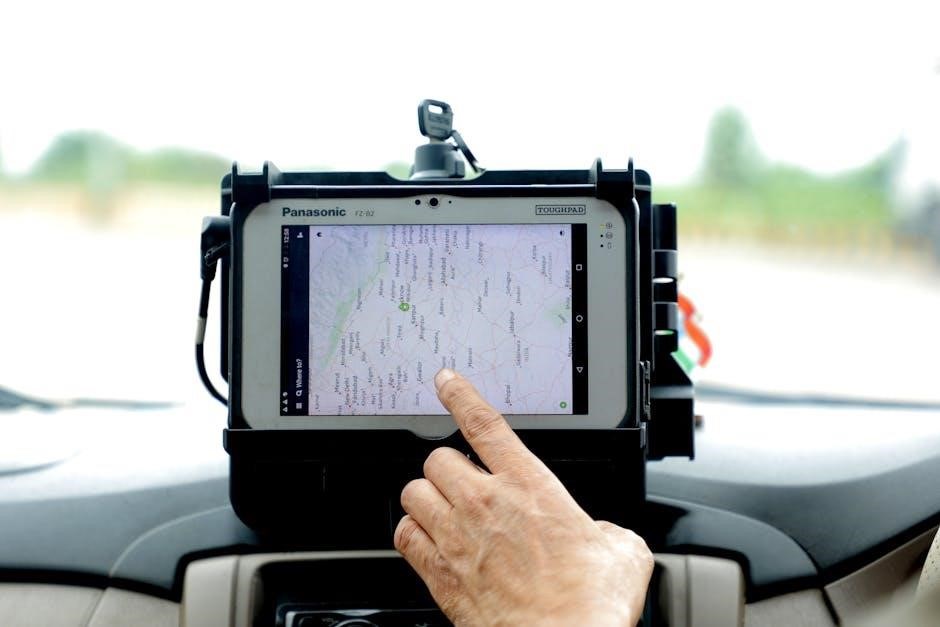
Plan your route in advance using GPS or mapping apps to avoid traffic and construction delays. Input destinations beforehand and consider alternative routes. Pack a physical map as a backup and ensure your vehicle has a car charger for devices. Check weather forecasts for your route and adjust plans if necessary. Share your itinerary with a trusted contact for safety. Balance technology with traditional navigation skills to stay oriented. Regularly update your maps and apps for the latest information. A well-planned route ensures a smooth and enjoyable journey.
The Future of Automobiles
The 2026 models promise exciting innovations, blending cutting-edge technology with sleek designs. Autonomous driving and smart connectivity features will redefine the driving experience, enhancing safety and convenience for all.
10.1 Upcoming Car Models and Technologies
The 2026 car models promise groundbreaking advancements, featuring cutting-edge technologies like improved electric vehicle batteries, enhanced hybrid systems, and smarter connectivity options. These innovations aim to boost efficiency, reduce emissions, and elevate driving comfort. With a focus on sustainability and performance, the next generation of vehicles is set to revolutionize the automotive industry, offering consumers more eco-friendly and technologically advanced choices than ever before.
10.2 Autonomous Driving: What You Need to Know
Autonomous driving is revolutionizing the automotive industry, offering enhanced safety and convenience. Modern systems like adaptive cruise control and lane-keeping assist are becoming standard. However, full autonomy requires advanced sensors and AI, which are still evolving. Understanding the levels of autonomy, from assisted driving to fully self-driving cars, is crucial for consumers. Regulatory frameworks and ethical considerations, such as decision-making in emergencies, are also key topics. Staying informed about these developments helps drivers navigate the transition to autonomous vehicles responsibly and effectively.
10.3 Connectivity and Smart Car Features
Modern cars now feature advanced connectivity and smart technologies, enhancing the driving experience. From intuitive infotainment systems to voice-command controls, these innovations simplify navigation and entertainment. Smartphone integration via Apple CarPlay and Android Auto is now standard, allowing seamless connectivity; Additionally, many vehicles offer over-the-air updates, ensuring your car stays current with the latest tech. Safety and convenience are elevated with features like emergency call systems and remote diagnostics, making driving smarter and more enjoyable than ever before.
Thank you for exploring Mon Premier Guide de l’Auto. This guide provides essential insights for first-time car owners, covering everything from purchasing to maintenance. With expert advice and practical tips, it ensures a smooth transition into car ownership, helping you make informed decisions and enjoy the journey responsibly.
11.1 Final Tips for First-Time Car Owners
For first-time car owners, prioritize reliability and durability to save time and money. Always budget for long-term costs, including maintenance and insurance. Take test drives seriously to ensure the vehicle fits your needs. Regular maintenance is crucial for extending your car’s lifespan. Stay informed about new technologies and safety features. Consider eco-friendly options like electric or hybrid vehicles for lower operating costs. Lastly, build an emergency kit and keep it in your car for unexpected situations. These tips will help you navigate car ownership confidently and responsibly.
11.2 Staying Informed About the Latest Trends
Staying informed about the latest automotive trends is essential for making smart decisions. Research upcoming models, technologies, and government incentives for electric vehicles. Follow trusted sources like the 2025 Guide or AutoMedia for detailed comparisons and expert insights. Regularly check reviews and updates on fuel efficiency, safety features, and connectivity options. Engage with automotive communities and forums to learn from others’ experiences. By staying updated, you can adapt to changes in the industry and make informed choices for your current or future vehicle needs.
Leave a Reply
You must be logged in to post a comment.