
russian fleets pdf
Russian fleets, often documented in extensive PDF reports, represent a crucial component of national security and geopolitical influence․ These detailed analyses, frequently shared within defense circles, explore historical evolution and modern capabilities․
Historical Context of Russian Naval Power
Russia’s naval history, extensively detailed in numerous PDF documents available through academic and defense sources, stretches back centuries․ Initially land-focused, Russia’s naval ambitions were spurred by Peter the Great in the late 17th and early 18th centuries, aiming for a “window to the sea․” He established a modern fleet, challenging Swedish dominance in the Baltic․
Throughout the 19th century, Russian fleets played pivotal roles in conflicts like the Russo-Turkish Wars, expanding influence in the Black Sea․ However, the Crimean War exposed significant technological shortcomings․ The 20th century witnessed dramatic shifts, including setbacks in the Russo-Japanese War and substantial losses during both World Wars․
The Cold War era saw a massive buildup of Soviet naval power, focused on submarine warfare and projecting power globally․ Post-Soviet restructuring led to downsizing and modernization challenges, documented in various strategic PDF assessments․ Today, understanding this historical trajectory, as outlined in these reports, is vital for comprehending the current state and future direction of Russian naval forces․
Current Geopolitical Significance of Russian Fleets
Russian fleets currently serve as critical instruments of foreign policy and national security, a dynamic thoroughly analyzed in recent PDF reports from think tanks and intelligence agencies․ The Northern and Pacific Fleets project power in strategically vital Arctic and Asia-Pacific regions, respectively, safeguarding resource interests and challenging Western influence․
The Baltic Fleet’s presence is a constant reminder of Russia’s concerns regarding NATO expansion, while the Black Sea Fleet remains central to projecting power in the Mediterranean and influencing events in Eastern Europe and the Middle East․ Control of Crimea significantly enhanced the Black Sea Fleet’s operational capabilities․
These fleets are increasingly utilized in demonstrating resolve during international crises, conducting naval exercises, and supporting Russian diplomatic efforts․ Detailed PDF analyses highlight how fleet deployments are often timed to coincide with political events, signaling intent and bolstering Russia’s global standing․ Their significance is further amplified by modernization programs and evolving naval doctrines․

The Four Major Russian Fleets
Russian fleets, comprehensively detailed in numerous PDF documents, comprise the Northern, Baltic, Black Sea, and Pacific Fleets – each possessing unique operational roles and geographical responsibilities․
Northern Fleet (Severny Flot) ― Arctic Operations
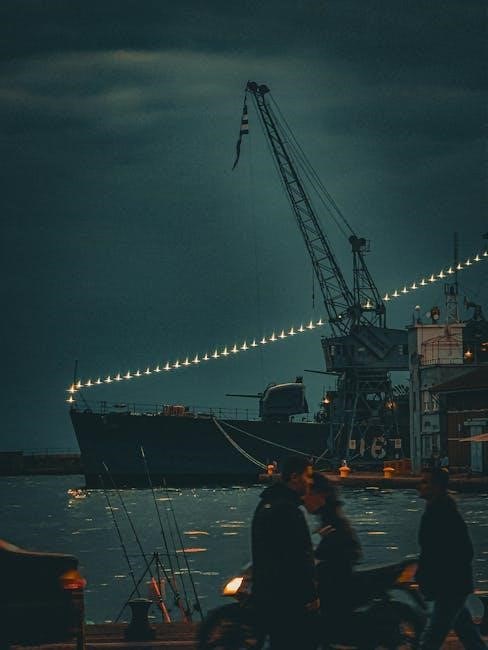
The Northern Fleet (Severny Flot), extensively analyzed in various PDF reports concerning Russian naval power, stands as Russia’s most strategically important fleet․ Operating primarily in the Arctic Ocean, its area of responsibility encompasses vital sea lanes and access to the North Atlantic․ These detailed assessments highlight the fleet’s focus on maintaining a robust presence amidst increasing Arctic activity and geopolitical competition․
PDF documentation reveals a significant concentration of nuclear-powered submarines, surface combatants, and naval aviation assets within the Northern Fleet․ Its primary missions include strategic deterrence, protecting Russia’s northern coastline, and ensuring freedom of navigation in the Arctic․ The fleet’s capabilities are continually modernized, with new vessels and weaponry being deployed to counter emerging threats․
Recent PDF analyses emphasize the fleet’s growing role in safeguarding Russia’s economic interests in the Arctic, including the Northern Sea Route․ The fleet’s exercises and deployments demonstrate Russia’s commitment to asserting its sovereignty and influence in this strategically crucial region, as detailed in publicly available reports․
Baltic Fleet (Baltiysky Flot) ― European Waters
The Baltic Fleet (Baltiysky Flot), thoroughly documented in numerous PDF reports on Russian naval deployments, operates within the strategically sensitive Baltic Sea․ These reports detail its crucial role in projecting Russian power into European waters and safeguarding national interests in the region․ The fleet’s operational environment is characterized by proximity to NATO member states, demanding a high state of readiness and advanced capabilities․
PDF analyses reveal a composition centered around corvettes, frigates, and diesel-electric submarines, alongside naval aviation and coastal defense units․ Its primary missions encompass sea control, protecting maritime borders, and participating in joint exercises with other Russian fleets․ The fleet’s activities are closely monitored by NATO forces, contributing to a complex security dynamic․
Recent PDF assessments highlight the Baltic Fleet’s increased focus on anti-access/area denial (A2/AD) capabilities, designed to deter potential adversaries․ Modernization efforts are underway to enhance the fleet’s firepower and electronic warfare capabilities, as evidenced by publicly available documentation and strategic analyses․
Black Sea Fleet (Chernomorsky Flot) ― Strategic Importance & Recent Events
The Black Sea Fleet (Chernomorsky Flot), extensively analyzed in detailed PDF reports, holds immense strategic importance for Russia, providing access to the Mediterranean Sea and projecting power into Southern Europe, the Middle East, and North Africa․ These reports consistently emphasize its role in securing Russia’s interests in the Black Sea region and maintaining a naval presence crucial for regional stability – or instability, depending on perspective․
Recent PDF documentation details significant events impacting the fleet, including its involvement in the ongoing conflict in Ukraine․ Analyses highlight both successes and vulnerabilities, particularly regarding losses sustained and challenges to maintaining operational effectiveness․ The fleet’s base in Sevastopol, Crimea, remains a focal point of geopolitical tension․
PDF assessments reveal a fleet composition including cruisers, frigates, submarines, and amphibious warfare ships․ Modernization programs aim to bolster its capabilities, though sanctions and operational losses have presented considerable obstacles․ The fleet’s future trajectory remains uncertain, contingent on evolving geopolitical dynamics and Russia’s strategic priorities․
Pacific Fleet (Tikhookeansky Flot) ‒ Asia-Pacific Presence
The Pacific Fleet (Tikhookeansky Flot), thoroughly documented in numerous PDF analyses, represents Russia’s primary naval force in the Asia-Pacific region․ These reports consistently underscore its growing importance as Russia seeks to counterbalance the influence of the United States and other regional powers․ The fleet’s operational area spans a vast expanse of the Pacific Ocean, from the Russian Far East to the Sea of Japan․
Detailed PDF reports outline the fleet’s composition, which includes cruisers, destroyers, frigates, submarines, and naval aviation assets․ Modernization efforts are focused on enhancing its capabilities for power projection and maritime security․ The fleet’s presence is vital for protecting Russia’s economic interests and asserting its sovereignty in the region․
Recent PDF assessments highlight increased naval activity, including joint exercises with China and other partner nations․ These exercises demonstrate a growing strategic alignment and a shared interest in challenging the existing regional order․ The fleet’s future development will be crucial for Russia’s long-term strategic goals in the Asia-Pacific․
Key Vessels and Equipment
PDF documents detail Russia’s naval assets: aircraft carriers, submarines, and surface combatants․ These reports analyze their technological specifications, operational capabilities, and modernization programs, crucial for understanding fleet strength․
Aircraft Carriers: The Admiral Kuznetsov and Future Plans
The Admiral Kuznetsov, Russia’s sole aircraft carrier, is extensively covered in numerous PDF reports detailing its operational history, recent repairs, and ongoing limitations․ These documents frequently highlight the carrier’s aging infrastructure and the challenges associated with maintaining its air wing, primarily comprising Su-33 and MiG-29K fighter jets․
Analysis within these reports often focuses on the carrier’s deployment to the Mediterranean Sea and its role in supporting Russian operations in Syria․ Furthermore, detailed PDF assessments explore Russia’s future plans for aircraft carrier development, including potential designs for a next-generation carrier capable of operating advanced aircraft, such as the MiG-29K’s successor․
These future plans, as outlined in leaked documents and official statements compiled into PDF format, suggest a shift towards larger, more capable carriers, potentially incorporating CATOBAR (Catapult Assisted Take-Off But Arrested Recovery) technology․ However, budgetary constraints and technological hurdles remain significant obstacles to realizing these ambitious goals, as consistently noted in strategic naval analyses․
Submarines: Nuclear and Diesel-Electric Capabilities
Russian submarine forces are a cornerstone of its naval power, extensively documented in detailed PDF analyses available to defense experts․ These reports categorize the fleet into nuclear-powered ballistic missile submarines (SSBNs), nuclear-powered attack submarines (SSNs), and diesel-electric submarines (SSKs)․ The Borei-class SSBNs, crucial for Russia’s nuclear deterrence, receive significant attention in these assessments․
PDF reports detail the capabilities of the Yasen-class SSNs, known for their advanced quietness and long-range cruise missiles․ Simultaneously, the aging but modernized diesel-electric fleet, like the Varshavyanka-class (Kilo-class), is analyzed for its effectiveness in littoral waters․ These documents often compare Russian submarine technology with that of NATO forces․
Strategic PDF evaluations also cover modernization programs, including the development of new submarine designs and advanced weaponry․ Concerns regarding maintenance backlogs and the impact of sanctions on component acquisition are frequently highlighted, offering a comprehensive overview of the current state and future trajectory of Russia’s underwater capabilities․
Surface Combatants: Destroyers, Frigates, and Corvettes
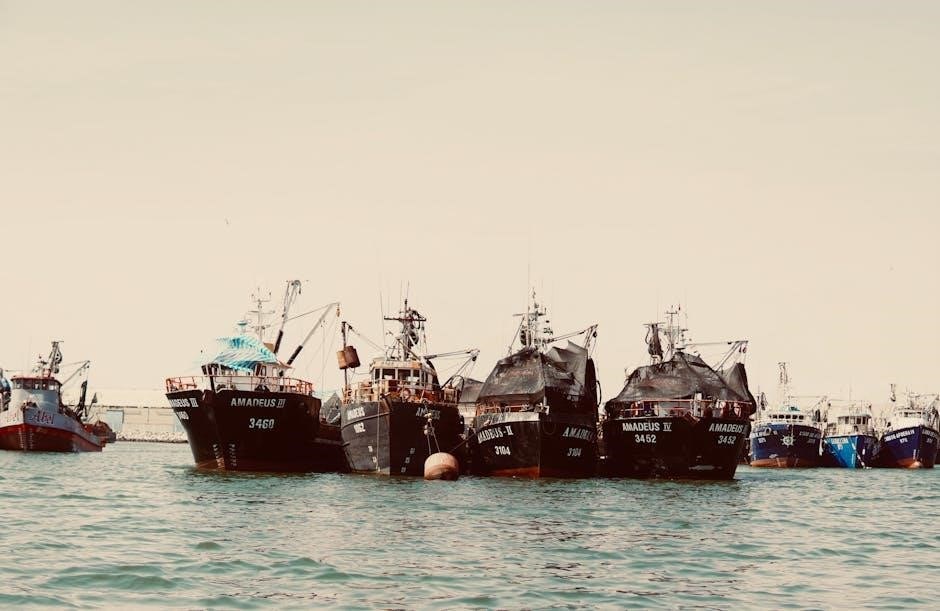
Russian surface combatants – destroyers, frigates, and corvettes – form a vital component of its naval strength, thoroughly examined in numerous PDF reports․ These documents detail the composition of the fleet, focusing on classes like the Project 956 Destroyer (Sovremenny-class), equipped with potent anti-ship missiles, and the newer Project 22350 frigates, boasting advanced radar systems․
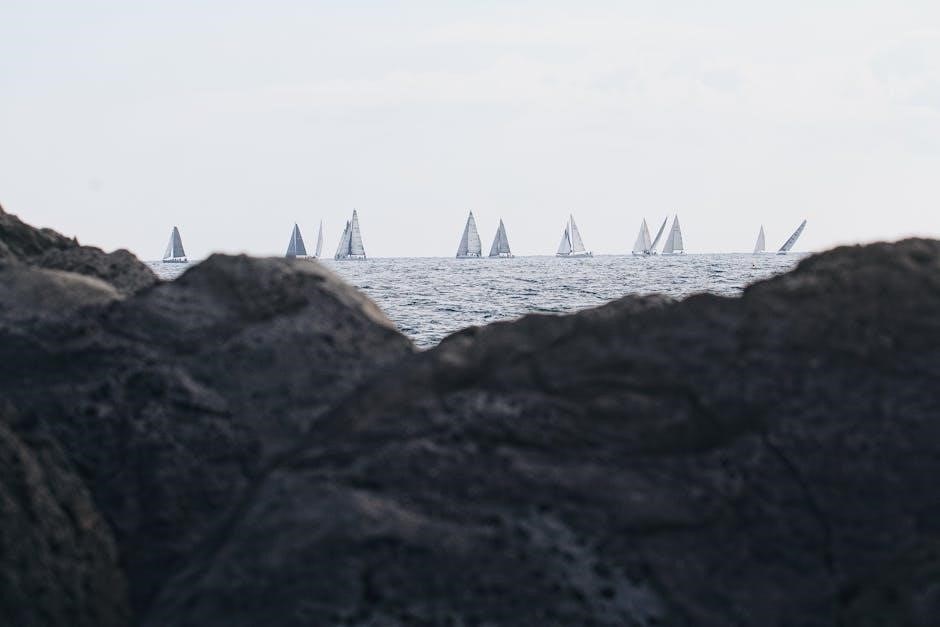
Detailed PDF analyses assess the capabilities of the Gremyshch-class corvette, designed for littoral operations, and the Buyan-class, known for its Kalibr cruise missile systems․ Reports often compare Russian surface warfare technology with Western counterparts, evaluating strengths and weaknesses in areas like air defense and electronic warfare․
Strategic PDF evaluations also cover ongoing modernization efforts, including the development of next-generation surface combatants and the integration of advanced weaponry․ Discussions frequently address challenges related to shipbuilding capacity, component sourcing, and the impact of international sanctions on fleet modernization programs, providing a holistic view of Russia’s surface warfare capabilities․
Fleet Command Structure and Organization
PDF analyses reveal a hierarchical structure, with fleet commanders reporting to the Navy’s General Staff․ Detailed organizational charts, often found in these reports, illustrate command relationships and operational areas․
Naval Hierarchy and Leadership Roles
PDF documents detailing the Russian Navy’s structure consistently highlight a rigid, centralized command system․ At the apex sits the Commander-in-Chief of the Navy, a position currently held by Admiral Nikolai Yevmenov․ Below him, each of the four major fleets – Northern, Baltic, Black Sea, and Pacific – is commanded by a Fleet Admiral or Vice-Admiral․
These fleet commanders exercise significant authority over all units assigned to their respective areas of responsibility․ Further down the chain of command are Flotilla Commanders, responsible for specific task forces or groups of vessels․ Detailed PDF reports often include biographical information on key leaders, outlining their career paths and areas of expertise․
Operational control is typically exercised through a network of naval bases and command posts․ The hierarchy extends to the level of individual ship captains, who are responsible for the readiness and effectiveness of their vessels․ Understanding these roles, as outlined in publicly available PDFs, is crucial for assessing the Navy’s responsiveness and decision-making processes․
Fleet Bases and Operational Areas
Analysis contained within comprehensive PDF reports reveals a geographically diverse network of Russian naval bases․ The Northern Fleet’s primary base is Severomorsk, granting access to the Barents and Arctic Oceans․ The Baltic Fleet operates from Kaliningrad and St․ Petersburg, controlling access to the Baltic Sea․ Sevastopol, in Crimea, serves as the Black Sea Fleet’s main base, a strategically vital, though contested, location․
The Pacific Fleet is centered around Vladivostok, projecting power into the Sea of Japan and the Pacific Ocean․ These PDF documents detail not only base locations but also associated operational areas․ The Arctic Fleet focuses on maintaining a presence in the High North, while the Baltic Fleet concentrates on the European theatre․
The Black Sea Fleet’s operational area is critical for influence in the Black Sea region and access to the Mediterranean․ The Pacific Fleet’s vast operational area encompasses the entire Asia-Pacific region․ Detailed maps within these PDFs illustrate the extent of Russian naval reach and potential areas of conflict․
Recent Developments and Modernization Efforts
PDF reports highlight ongoing shipbuilding programs, including frigates and corvettes․ Modernization focuses on hypersonic missiles and electronic warfare systems, despite sanctions impacting component access․
New Shipbuilding Programs and Technologies
PDF analyses of Russian fleets reveal ambitious new shipbuilding programs designed to revitalize naval capabilities․ Key projects include the development of advanced frigates like the Admiral Gorshkov-class, equipped with long-range precision strike missiles, and the ongoing construction of Project 22350 frigates․ These vessels incorporate stealth technologies and advanced sensor suites․
Furthermore, Russia is investing in modernized corvettes, such as the Project 20380 and 20385 series, enhancing their anti-submarine warfare and surface combat capabilities․ Significant attention is given to unmanned surface vessels (USVs) and unmanned underwater vehicles (UUVs), detailed in specialized PDF reports, aiming to expand operational reach and reduce risk to manned platforms․
Technological advancements focus on integrating hypersonic missile systems, like the Zircon, onto surface combatants and submarines․ Development of advanced radar systems, electronic warfare suites, and improved propulsion technologies are also prioritized, as documented in recent naval procurement PDFs․ These efforts aim to counter emerging threats and maintain a competitive edge in the maritime domain․
Impact of Sanctions on Fleet Capabilities
PDF reports analyzing Russian fleets increasingly detail the significant impact of international sanctions imposed following recent geopolitical events․ Restrictions on access to Western technology, particularly microelectronics and specialized components, have hampered modernization efforts and shipbuilding programs․ Delays in receiving critical equipment for vessels under construction are frequently noted in these assessments․
Sanctions have also affected the availability of spare parts for existing platforms, potentially impacting operational readiness and maintenance schedules․ While Russia is attempting to develop domestic alternatives and strengthen ties with countries not participating in sanctions, these efforts face challenges in replicating the quality and performance of Western-sourced components, as highlighted in detailed PDF analyses․
The long-term consequences include a potential slowdown in the pace of fleet modernization and a reliance on older technologies․ However, PDF documentation also suggests Russia is adapting by prioritizing indigenous production and exploring alternative supply chains, though with varying degrees of success․


Leave a Reply
You must be logged in to post a comment.