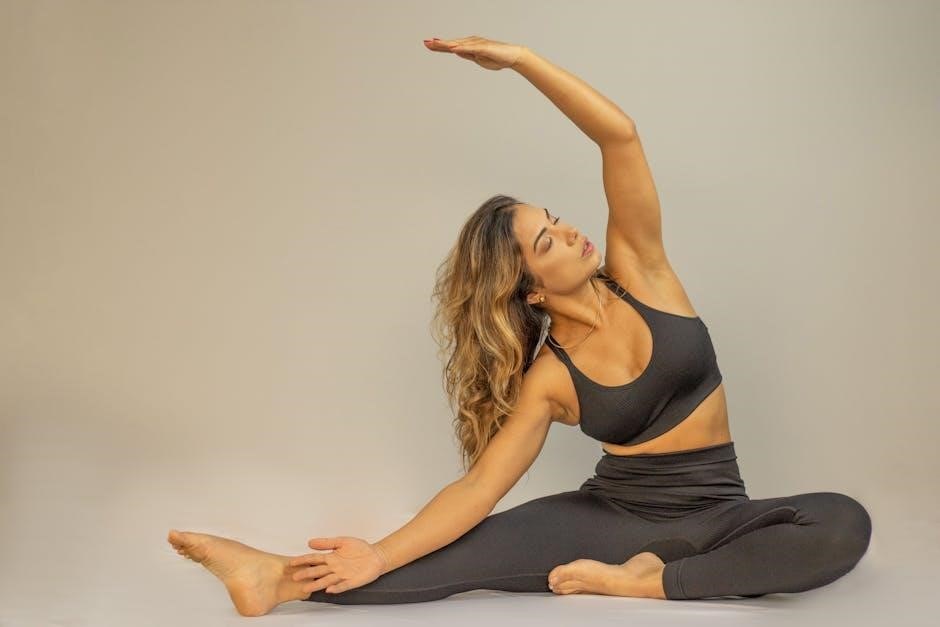
full body mobility routine pdf
Full Body Mobility Routine PDF: A Comprehensive Plan
A detailed PDF guide is crucial for consistent progress, incorporating dynamic and static stretches, alongside dedicated sessions—aim for 40 minutes weekly, prioritizing hip flexibility.
Full body mobility isn’t merely about stretching; it’s a holistic approach to movement, encompassing joint health, muscle activation, and nervous system awareness. A comprehensive routine, often best documented in a PDF for easy access, aims to restore and enhance your natural range of motion. Many individuals underestimate the importance of consistent mobility work, often prioritizing strength training without addressing foundational movement patterns.
This can lead to imbalances, restricted movement, and increased risk of injury. Improving mobility isn’t about achieving extreme flexibility, but about optimizing how your body functions. It’s about preparing your body for daily activities and athletic pursuits, allowing you to move with greater ease, efficiency, and resilience. A well-structured PDF routine will guide you through targeted exercises.
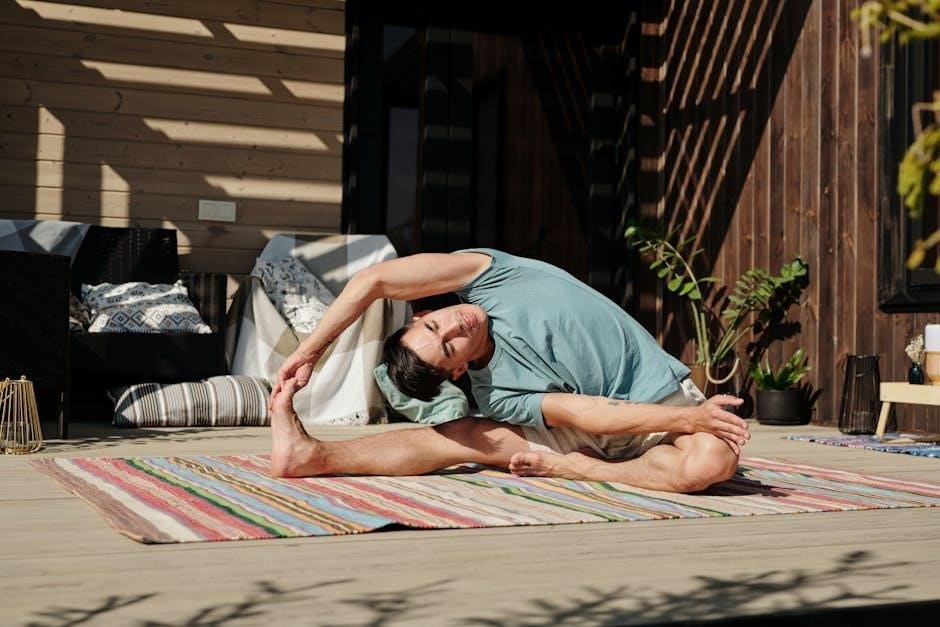
Why a Full Body Mobility Routine is Important
A full body mobility routine, ideally outlined in a PDF, is paramount for injury prevention and performance enhancement. Limited mobility restricts movement patterns, forcing the body to compensate, leading to strain and potential injury. Addressing this proactively through consistent practice is vital. Furthermore, improved mobility directly translates to better strength gains; muscles function optimally within their full range of motion.
Neglecting mobility can hinder progress in fitness goals, particularly exercises like L-sits and leg raises, demanding hamstring and hip flexor flexibility. A PDF provides a structured plan, ensuring you dedicate sufficient time – at least 20 minutes post-workout, and 40 minutes weekly – to cultivate lasting improvements in flexibility and overall physical well-being.
Understanding the Benefits of Increased Mobility
A well-structured full body mobility routine, best documented in a PDF, unlocks a cascade of benefits beyond simply touching your toes. Increased range of motion enhances athletic performance, allowing for more efficient and powerful movements. It also significantly reduces the risk of injury by preparing muscles and joints for stress.
Moreover, improved mobility can alleviate chronic pain, particularly related to tight hamstrings or potential sciatic nerve tension – a common masquerader of tightness. A PDF guide facilitates consistent practice, crucial for overcoming limitations. Prioritizing flexibility, alongside strength, is a holistic approach to fitness, vital for long-term health and optimal physical function, as highlighted by resources like r/flexibility.

Key Components of a Mobility Routine
A comprehensive PDF routine balances dynamic and static stretching, prioritizes joint health, and integrates muscle activation for optimal results and injury prevention.
Dynamic Stretching vs. Static Stretching
Understanding the difference is key for a successful mobility PDF. Dynamic stretching involves controlled movements through a range of motion – think arm circles or leg swings – and is ideal for warm-ups, preparing muscles for activity. Conversely, static stretching holds a stretch in a challenging but comfortable position for a period, typically 30 seconds, and is best suited for cool-downs to improve flexibility.
While both have their place, a PDF focused on full body mobility should emphasize dynamic stretching before workouts and incorporate static stretching after. Relying solely on passive, static stretching often yields limited results; active exercises that strengthen muscles while lengthened are far more effective. A well-rounded PDF will detail specific dynamic and static stretches for each major muscle group, ensuring a balanced approach to mobility enhancement.
Importance of Joint Capsule Health
A comprehensive mobility PDF must address joint capsule health. Often overlooked, the joint capsule – the fibrous tissue surrounding a joint – significantly impacts range of motion. Restrictions within the capsule can limit movement and contribute to pain. A robust PDF will include exercises designed to gently mobilize these capsules, improving fluidity and reducing stiffness.
These aren’t about aggressive stretching, but rather controlled movements that encourage the capsule to expand and contract. Addressing potential sciatic nerve tension is also vital, as it can mimic tightness and inhibit effective stretching. A quality PDF will guide users through self-assessment tests and offer modifications to accommodate individual needs, prioritizing safe and sustainable improvements in joint health.
The Role of Muscle Activation
A well-structured mobility PDF emphasizes muscle activation before and during stretches. Simply holding a stretch isn’t enough; engaging the correct muscles enhances effectiveness and prevents injury. The PDF should detail activation exercises for key muscle groups – core, glutes, and hip flexors – preparing them for deeper stretches.

Strengthening hamstrings while lengthened is particularly beneficial for improving flexibility, moving beyond passive stretching. This approach builds both range of motion and stability. The PDF should illustrate how to integrate these activation drills into a routine, ensuring muscles are actively supporting joints throughout each movement, maximizing benefits and fostering long-term mobility gains.

Mobility Exercises for Specific Body Parts
The PDF will categorize exercises by body area: hips, spine, shoulders, and ankles, offering variations like pigeon pose and ankle dorsiflexion stretches.
Hip Mobility Exercises
Hip mobility is foundational for overall movement, and the PDF will dedicate significant attention to this area. Expect detailed instructions and visual guides for exercises like Pigeon Pose variations, progressing from beginner to advanced levels. We’ll also cover essential Hip Flexor Stretches, including the challenging Couch Stretch, emphasizing proper form to avoid injury.
Furthermore, the routine incorporates 90/90 Rotations to improve internal and external hip rotation. The PDF will highlight the importance of strengthening hamstrings while stretched, suggesting active exercises like hip-elevate leg lifts and forward folds. A self-assessment for sciatic nerve tension will be included, as this can often mimic hamstring tightness, hindering progress. Remember, consistent practice is key to unlocking greater hip mobility!
Pigeon Pose Variations
The PDF will showcase a progressive series of Pigeon Pose variations, catering to all flexibility levels. Starting with Reclined Pigeon, we’ll move to Classic Pigeon, emphasizing proper alignment to protect the knee joint. Modifications using blocks or blankets will be detailed for those with limited hip flexibility.
Advanced practitioners will find guidance on variations like King Pigeon Pose, building strength and deepening the stretch. The guide will stress the importance of listening to your body and avoiding forcing the pose. We’ll also address common mistakes and provide cues for maintaining a neutral spine. Remember, consistent, mindful practice yields the best results, improving hip opening and overall mobility.
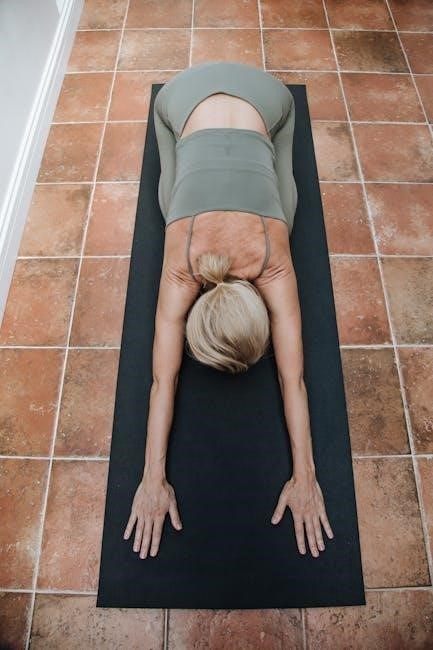
Hip Flexor Stretches (e.g., Couch Stretch)
Our PDF will feature a comprehensive selection of hip flexor stretches, including the challenging yet effective Couch Stretch. Detailed instructions and visual aids will demonstrate proper form, emphasizing core engagement and pelvic tilt. We’ll also include variations like kneeling hip flexor stretches and standing quad stretches, offering options for different levels.
The guide will highlight the importance of addressing hip flexor tightness, as it often contributes to lower back pain and limited mobility. We’ll explain how to modify the Couch Stretch for comfort and safety, and provide progressions to increase the intensity. Remember, strengthening the hip flexors alongside stretching is crucial for balanced development.
90/90 Rotations
The PDF will dedicate a section to 90/90 rotations, a fantastic exercise for improving hip internal and external rotation, crucial for overall mobility. Clear illustrations and step-by-step instructions will guide users through the correct technique, emphasizing maintaining a neutral spine and controlled movements.
We’ll detail modifications for varying flexibility levels, including using props for support. The guide will explain how this exercise targets the deep hip rotators, enhancing range of motion and reducing stiffness. It will also address common mistakes, like rounding the back, and offer cues for proper alignment. This exercise is vital for addressing hip imbalances and improving functional movement.
Spinal Mobility Exercises
The PDF’s spinal mobility section will feature exercises designed to improve flexibility and range of motion throughout the entire spine. We’ll include detailed instructions and visuals for exercises like Cat-Cow, promoting gentle spinal articulation and core engagement. Thoracic spine rotations, utilizing controlled movements, will be highlighted to address common stiffness in the upper back.
Furthermore, the Bird Dog exercise will be showcased, emphasizing core stability and coordination. The guide will explain the importance of maintaining a neutral spine during each movement, preventing strain and maximizing benefits. Modifications will be provided for all levels, ensuring accessibility and safe practice.
Cat-Cow Stretch
The PDF will detail the Cat-Cow Stretch as a foundational spinal mobility exercise. This gentle flow involves alternating between arching the spine like a cat (Cat Pose) and dropping the belly towards the floor (Cow Pose). Detailed imagery will demonstrate proper form, emphasizing breath synchronization with each movement – inhale for Cow, exhale for Cat.
Instructions will highlight maintaining a neutral neck and avoiding strain. Modifications, such as performing the stretch seated, will be included for accessibility. The PDF will explain how this exercise promotes spinal articulation, improves posture, and gently stimulates abdominal organs, fostering overall well-being.
Thoracic Spine Rotations
The PDF will showcase Thoracic Spine Rotations as vital for mid-back mobility, often restricted in sedentary individuals. Instructions will detail seated or quadruped positions, emphasizing rotation originating from the thoracic spine – not the lower back. Clear visuals will demonstrate controlled twisting movements, focusing on maintaining a tall spine and avoiding forcing the rotation.
The guide will suggest using a chair or wall for support if needed, and highlight the importance of breathing deeply during the exercise. Benefits explained will include improved posture, reduced stiffness, and enhanced rotational power for functional movements. Variations, like adding a gentle reach, will also be included.
Bird Dog Exercise
The PDF will feature the Bird Dog exercise as a core stability and spinal mobility drill. Detailed instructions will illustrate starting on hands and knees, maintaining a neutral spine, and simultaneously extending one arm and the opposite leg. Emphasis will be placed on preventing lower back arching and hip rotation.
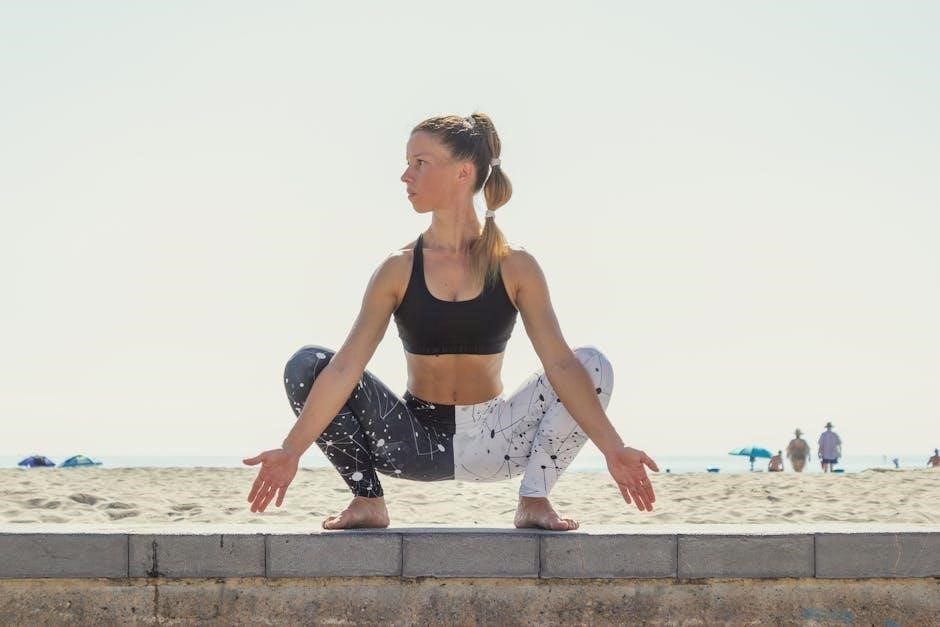
Visual cues will demonstrate engaging the core to stabilize the torso. The guide will explain how this exercise improves coordination, balance, and strengthens the muscles supporting the spine. Progressions, such as adding a slight pause at the extended position, will be included. Benefits will be highlighted as improved posture and reduced back pain risk.
Shoulder Mobility Exercises
The PDF’s shoulder mobility section will prioritize restoring optimal range of motion and preventing impingement. It will detail exercises like Arm Circles, progressing from small to large, and Shoulder Dislocates using a resistance band – emphasizing controlled movements and proper form to avoid injury.
Wall Slides, focusing on scapular retraction and protraction, will be included to improve posture and upper back strength. The guide will explain the importance of engaging the core during these movements. Detailed imagery will demonstrate correct technique, and modifications for varying fitness levels will be provided. The aim is to enhance shoulder stability and flexibility.
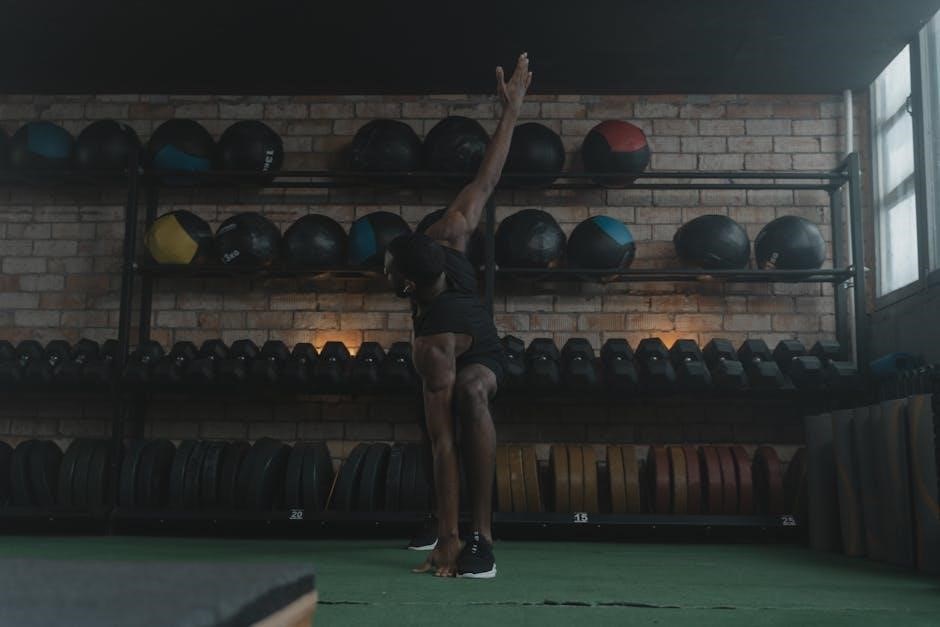
Arm Circles & Shoulder Dislocates (with band)
The PDF will illustrate Arm Circles, starting small and gradually increasing the range of motion, focusing on controlled, fluid movements to warm up the shoulder joint. Shoulder Dislocates, performed with a resistance band, will be detailed with clear cautions – emphasizing a wide grip initially and slowly narrowing it as flexibility improves.
Proper form is paramount; avoid forcing the movement. The guide will highlight the importance of maintaining a straight back and engaged core throughout both exercises. Modifications for limited mobility will be provided, such as using a wider band or reducing the range of motion. These exercises enhance shoulder capsule health and overall mobility.
Wall Slides
The PDF will demonstrate Wall Slides as a key exercise for improving thoracic spine mobility and scapular control. Instructions will detail maintaining contact with the wall throughout the movement – focusing on sliding the arms up and down while keeping the lower back pressed firmly against the surface.
Emphasis will be placed on proper form: elbows bent at 90 degrees, wrists, and hands maintaining contact with the wall. Modifications for limited shoulder mobility will be included, such as starting with arms lower on the wall. This exercise combats rounded shoulders and promotes better posture, enhancing overall upper body mechanics.
Scapular Retractions & Protraction
The PDF guide will feature Scapular Retractions & Protraction as essential movements for shoulder blade health and upper back mobility. Detailed instructions will explain how to squeeze the shoulder blades together (retraction) and round the upper back, allowing the shoulder blades to move apart (protraction).
The guide will emphasize controlled movements, focusing on isolating the scapular muscles. Variations, such as performing these movements seated or standing, will be included. This exercise counteracts the effects of prolonged sitting and improves posture, contributing to better shoulder function and reducing the risk of injury. Proper breathing techniques will also be highlighted.
Ankle & Foot Mobility Exercises
The comprehensive PDF will dedicate a section to ankle and foot mobility, often overlooked but vital for overall movement quality. It will detail Ankle Dorsiflexion Stretches, crucial for squat depth and walking mechanics, alongside variations using a wall for support.
Calf Raises, performed with feet in different positions (straight and turned out), will target various calf muscles. The guide will also introduce “Toe Yoga” and Foot Rolling exercises using a lacrosse ball, addressing plantar fascia tightness. These exercises improve balance, proprioception, and reduce the risk of lower leg injuries, enhancing athletic performance and daily function.
Ankle Dorsiflexion Stretches
The PDF will feature detailed Ankle Dorsiflexion Stretches, essential for improving squat depth and overall lower body mechanics. A key stretch involves kneeling with the foot flat on the ground, gently leaning forward while keeping the heel down – utilizing a wall for support is recommended for beginners.
Variations will include banded ankle mobilizations, adding resistance to enhance the stretch. The guide will emphasize proper form to avoid overstretching and potential injury. Consistent practice of these stretches will increase range of motion, improve balance, and contribute to better athletic performance and reduced pain.
Calf Raises (various foot positions)
The PDF will detail Calf Raises performed in multiple foot positions – straight, inward, and outward – to target different parts of the calf muscles and improve ankle stability. These exercises aren’t just for strength; they’re vital for enhancing ankle mobility and addressing imbalances.
Instructions will include proper form, emphasizing a full range of motion and controlled movements. Variations will incorporate weighted calf raises for increased intensity. The guide will highlight the importance of integrating these exercises into both warm-up and cool-down routines for optimal results and injury prevention.
Toe Yoga & Foot Rolling
The PDF will feature a section on “Toe Yoga,” detailing exercises to improve toe dexterity and range of motion, crucial for overall foot health and balance. This includes toe curls, extensions, and spreading exercises. Alongside this, the guide will demonstrate effective foot rolling techniques using a lacrosse ball or foam roller.
Instructions will emphasize targeting specific areas of the foot, like the arch and heel, to release tension and improve flexibility. The benefits of these practices extend beyond the feet, positively impacting posture and movement patterns. Regular practice will be encouraged for sustained improvements.

Integrating Mobility into Your Routine
The PDF outlines integrating mobility drills into warm-ups and cool-downs, plus dedicated 40-minute sessions, emphasizing consistency for optimal results and injury prevention.
Warm-up Mobility Drills
Prior to any workout, a focused warm-up is essential. The PDF recommends incorporating 5-10 minutes of dynamic movements to prepare the body. This includes arm circles, leg swings, and torso twists – movements that gently increase range of motion and blood flow to the muscles.
Specifically, consider cat-cow stretches for spinal mobility and gentle hip rotations to activate key muscle groups. Ankle mobility drills, like ankle circles and dorsiflexion stretches, are also vital. These drills aren’t about achieving maximum flexibility, but rather priming the joints and muscles for the demands of the upcoming exercise session.
Remember, the goal is to enhance performance and reduce the risk of injury by gradually increasing tissue temperature and preparing the neuromuscular system.
Cool-down Mobility Stretches
Following your workout, a 10-15 minute cool-down is paramount for restoring muscle length and reducing post-exercise soreness. The PDF emphasizes static stretching, holding each stretch for 30-60 seconds. Focus on major muscle groups worked during the session, including hamstrings, hip flexors, and shoulders.
Include stretches like pigeon pose variations for hip mobility, and wall slides for shoulder flexibility. Don’t neglect the spine; gentle thoracic rotations and cat-cow stretches can alleviate tension. Calf stretches are also beneficial, addressing ankle and foot mobility.
Prioritize controlled breathing throughout each stretch, promoting relaxation and enhancing the stretch’s effectiveness. This phase aids recovery and prepares the body for subsequent activity.
Dedicated Mobility Sessions (40-minute focus)
The PDF recommends a weekly 40-minute session solely dedicated to mobility work, going beyond routine warm-ups and cool-downs. This allows for a deeper exploration of restrictions and targeted improvements. Begin with dynamic movements, progressing to static stretches held for extended durations.
Incorporate exercises from all body regions – hips (90/90 rotations, couch stretch), spine (bird dog, cat-cow), shoulders (arm circles, scapular work), and ankles (dorsiflexion stretches, foot rolling).
Consider referencing resources like r/flexibility’s wiki for pose ideas. Prioritize mindful movement and listen to your body, avoiding pushing beyond comfortable ranges. This focused approach yields significant gains.

Advanced Considerations
Address potential sciatic nerve tension and hamstring limitations; strengthening hip flexors and engaging the core are vital for advanced mobility gains.
Addressing Sciatic Nerve Tension
Sciatic nerve tension can often mimic hamstring or calf tightness, hindering true flexibility gains. Before aggressively stretching, perform a self-assessment: lie on your back and gently bring one leg towards your chest, keeping the other flat. If you experience radiating pain down the leg, rather than a stretch in the hamstring, sciatic nerve involvement is likely.
If tension is present, prioritize nerve gliding exercises instead of deep stretching. These movements gently mobilize the nerve through its pathway, reducing compression. Avoid prolonged static stretches that exacerbate the issue. Focus on core stability and pelvic alignment to create space for the nerve. Addressing this nuance can unlock significant improvements in your overall mobility routine and prevent further discomfort.
Hamstring Flexibility & Strengthening
Passive stretching alone often yields limited hamstring flexibility improvements. Integrate active exercises like hip-elevate leg lifts and forward folds, directly applicable to movements like the L-sit. Simultaneously, strengthen your hamstrings while they’re lengthened; this approach delivers superior results compared to static stretching in isolation.
Consider incorporating the 30-day toe touch challenge routine for a structured approach. Remember, hamstring flexibility is intertwined with hip flexor strength and core engagement. A balanced routine addresses both aspects. Prioritize exercises that build eccentric hamstring strength, controlling the lengthening phase of the muscle, to enhance flexibility and prevent injury.
Hip Flexor Strength & Core Engagement
Achieving optimal hip mobility necessitates robust hip flexor strength, alongside a strong core. Exercises like L-sits and hanging leg raises heavily rely on these components. A “buttload” of hip flexor strength, as described, is essential for proper execution and injury prevention. Don’t neglect core work; it provides the stability needed to effectively utilize hip flexor power.
Focus on exercises that challenge hip flexor strength throughout the full range of motion. Integrate core activation into every movement, ensuring proper form and maximizing efficiency. A weak core compromises hip flexor function and can lead to compensatory patterns. Prioritize exercises that build both strength and endurance in these crucial muscle groups.


Leave a Reply
You must be logged in to post a comment.