
manual bookkeeping for small business pdf
Manual bookkeeping remains vital for small businesses seeking control and clarity. PDFs guide owners through single‑entry setups, ledger basics, and compliance. By mastering paper or spreadsheet records, entrepreneurs preserve accuracy, meet deadlines, and stay audit‑ready.It equips owners with practical tools.!
Importance of Manual Systems in the Digital Age
In a world dominated by cloud‑based accounting suites, choosing manual bookkeeping system offers advantages for businesses.
First, manual records provide an unfiltered audit trail immune to software glitches, data corruption, or accidental overwrites.
When a PDF guide outlines step‑by‑step ledger entries, each transaction is documented, allowing owners to trace every debit and credit without proprietary formats or hidden code.

This transparency is especially valuable during regulatory inspections or when auditors request proof of compliance.
Second, manual bookkeeping encourages a deeper engagement with financial data. By physically writing or typing each entry, business owners develop a nuanced understanding of revenue streams, cost centers, and cash flow dynamics. This hands‑on interaction often translates into sharper decision‑making, as owners can spot anomalies or trends that automated dashboards might gloss over. Moreover, the discipline of daily journal entries reinforces consistent record‑keeping habits, reducing the risk of late or incomplete postings that can derail budgeting cycles.
Finally, manual systems foster resilience. In the event of internet outages, power failures, or cyber incidents, paper records remain accessible, ensuring continuity of operations. By complementing digital tools with a robust manual framework, small businesses can achieve a hybrid model that balances efficiency with reliability, safeguarding their financial integrity in an increasingly volatile digital landscape.!!!!
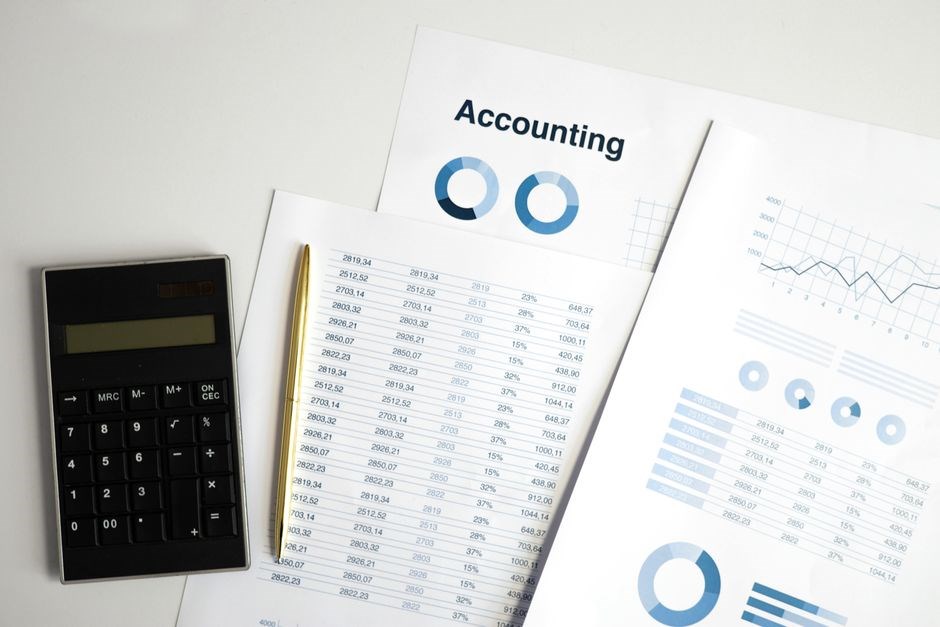
Choosing the Appropriate Manual Method
Selecting a manual method hinges on business size and complexity. A single‑entry ledger suits low‑volume operations, whereas double‑entry strengthens internal controls for growth. PDF guides detail setup steps, ensuring accurate, compliant records. It aids compliance! .

Single-Entry vs Double-Entry Accounting
Manual bookkeeping for small businesses often begins with a choice between single‑entry and double‑entry systems. Single‑entry, as highlighted in the “Keeping the Books” PDF, records only one side of each transaction—typically the cash flow—making it simpler and faster for very small, low‑volume operations. However, it lacks the internal checks that double‑entry provides, which can lead to unnoticed errors and limited visibility into liabilities and equity. Double‑entry, described in the “Manual Bookkeeping for Small Business – The Essentials” guide, requires recording debits and credits for every transaction, ensuring the accounting equation balances. This method offers greater accuracy, facilitates financial statement preparation, and satisfies audit and tax compliance requirements. The PDF resources recommend starting with single‑entry if the business has minimal transactions, then transitioning to double‑entry as revenue, expenses, and inventory grow. For owners who anticipate rapid expansion or who need to provide detailed financial reports to lenders, double‑entry is the safer long‑term choice. Ultimately, the decision hinges on transaction volume, regulatory obligations, and the owner’s comfort with bookkeeping complexity. Carefully reviewing the PDF tutorials can help determine the most appropriate system for your specific needs. By mastering these manual techniques, owners create a clear audit trail, cut software costs, and stay agile, adapting to regulatory shifts without compromising financial integrity. now

Setting Up Your Ledger Infrastructure
Manual bookkeeping for small businesses begins with a clear ledger structure. PDFs recommend a simple chart of accounts, separate cash, revenue, expense, and equity sheets. Use paper ledgers or spreadsheets, label each page, and maintain consistent numbering for easy reference. Record every transaction chronologically, and reconcile monthly to ensure accuracy. Keep a backup copy of each ledger page for safety!
Key Ledger Elements and Formats
Manual bookkeeping for small businesses relies on a structured ledger that captures every financial event. A well‑designed ledger typically includes the following core elements: a chart of accounts, a general ledger, subsidiary ledgers for accounts receivable and payable, and a cash book. The chart of accounts defines account categories—assets, liabilities, equity, revenue, and expenses—each assigned a unique code for quick identification. The general ledger aggregates debits and credits from all transactions, ensuring the accounting equation balances. Subsidiary ledgers track detailed customer or vendor balances, while the cash book records daily cash inflows and outflows.
Paper ledgers typically use a tabular layout with columns for date, description, account code, debit, credit, and running balance. For double‑entry, each transaction appears twice—once as a debit and once as a credit—on separate lines or in a split‑column format. Spreadsheet templates provide built‑in formulas to calculate balances automatically, reducing manual errors. PDF guides recommend using a consistent numbering system for pages and transaction IDs, and including a header with the business name, address, and fiscal year.
To maintain integrity, each ledger entry should be supported by source documents—receipts, invoices, bank statements—attached or referenced by a unique identifier. Periodic reconciliation of the ledger against bank statements and supplier statements confirms accuracy. Properly formatted ledgers not only streamline month‑end closing but also facilitate audits, tax filings, and financial analysis.
By following these key elements and choosing a format that matches the business’s complexity, owners can keep their records organized, compliant, and ready for growth. A well‑structured ledger provides clear visibility into cash flow, profitability, and financial health, enabling informed decisions and smoother scaling. Regular updates and meticulous record keeping also help detect fraud and improve cash flow forecasting accuracy. By integrating ledger data with strategic planning, managers can identify cost‑saving opportunities and allocate resources more effectively. Overall, disciplined ledger practices lay the foundation for sustainable growth and financial resilience.
Receipt, Invoice, and Expense Tracking
Manual bookkeeping for small businesses relies heavily on receipt, invoice, and expense tracking. A PDF guide typically recommends a systematic approach: first, collect all source documents—sales receipts, vendor invoices, and expense slips—within a single filing system. Each document should be dated, numbered, and cross‑referenced to a ledger entry. The receipt section records date, vendor, amount, and payment method; the invoice section captures invoice number, due date, and terms. Expense tracking categorizes costs—utilities, supplies, travel, payroll—into predefined accounts. Assigning each transaction to a specific account code lets owners generate profit‑and‑loss statements without software. The PDF emphasizes a master register: a paper or spreadsheet log listing every receipt, invoice, and expense with ledger references. This register serves as the audit trail, ensuring that every debit and credit has a supporting document. Additionally, the guide advises periodic reconciliation of the register against bank statements and credit card statements to catch discrepancies early. For small businesses that operate on a single‑entry system, the register doubles as the primary ledger, whereas double‑entry users maintain separate journals for sales and purchases. In either case, the key is consistency: record transactions promptly, keep copies of all documents, and perform monthly reviews to verify balances. By following these steps, owners can maintain compliance with tax regulations, prepare accurate financial reports, and keep their business finances transparent and organized. Now

Bank Reconciliation and Cash Management
Manual PDFs advise monthly bank reconciliations: match each ledger entry to bank statements, note discrepancies, and adjust. Cash management tips include keeping a petty cash log, setting spending limits, and reviewing cash flow reports to avoid overdrafts. Keep.
Manual PDFs advise monthly bank reconciliations: match each ledger entry to bank statements, noting discrepancies, and adjust. Record adjustments in a worksheet, update the ledger, and repeat monthly to catch errors early. Tips: schedule reconciliations, keep a log, use color‑coded envelopes, and maintain a backup folder.

Additional guidance: maintain a reconciliation calendar, noting due dates and responsible staff. Use color‑coded envelopes for cash receipts, and keep a separate cash book to track daily inflows and outflows. Verify entries match supporting documents, flag anomalies for review. Document adjustments with clear explanations, ensure compliance with accounting standards. Keep a petty cash log to monitor daily expenses and reconcile prevent discrepancies!

Compliance and Tax Considerations
Manual PDFs emphasize timely tax filings, accurate record keeping, and adherence to local regulations. Keep receipts, invoices, and expense logs organized; use a dedicated tax ledger. File quarterly returns, track deductions, and preserve records for at least seven years to satisfy audits. Ensure GST compliance.!!
Tax Filing Essentials and Deadlines
Manual bookkeeping PDFs guide owners through essential tax filing steps. First, identify the correct tax period—monthly, quarterly, or annually—based on revenue thresholds and industry. Maintain a dedicated tax ledger to track income, expenses, and tax credits. Use the Income & Expense Journal to record all transactions, ensuring each entry includes date, description, amount, and supporting receipt reference.
Next, prepare required forms: Canada Revenue Agency (CRA) T1 for sole proprietors, T2 for corporations, and GST/HST returns for eligible businesses. File GST/HST quarterly if annual sales exceed $30,000; otherwise, file annually. Submit T1/T2 by the 30th day of the month following the fiscal year end. For GST/HST, deadlines are the 15th of the month following the reporting period.
Keep records for at least seven years, as CRA audits may occur at any time. Store receipts, invoices, bank statements, and tax returns in a secure, organized system—physical binders or digital PDFs with clear naming conventions. Regularly reconcile bank statements to the ledger to catch discrepancies early. Consult a CPA if uncertain about deductions or compliance rules.
Finally, set calendar reminders for each filing deadline. Use a spreadsheet to track due dates, and double‑check that all entries are posted before submission. Accurate, timely filing reduces penalties and ensures your business remains in good standing with tax authorities. Keep a backup of digital files in secure cloud storage to prevent data loss!


Record Retention and Organization
Manual bookkeeping PDFs emphasize legal retention periods—typically seven years for tax records. Organize documents by year, type, and invoice number. Use labeled binders or digital folders, and back up PDFs to cloud storage for audit safety. Maintain a master index and schedule reviews to ensure compliance daily
Legal Retention Policies and Document Management
Manual bookkeeping PDFs outline statutory retention periods that vary by jurisdiction, but most small businesses must preserve tax returns, payroll records, and financial statements for at least seven years. The documents should be sorted chronologically and categorized by type—receipts, invoices, bank statements, and payroll summaries. Use a master index that lists each file’s location, date, and relevant tax reference. For paper records, employ acid‑free binders with clear labeling and a sealed storage area to protect against fire and moisture. Digital PDFs should be stored in encrypted folders with regular backups to a secure cloud service. Implement a version control system so that revisions of financial statements are tracked and the original version remains accessible. Periodic audits of the retention system help confirm compliance; schedule quarterly reviews to ensure that obsolete documents are archived or destroyed according to policy. By establishing a robust retention framework, small businesses can meet regulatory requirements, reduce audit risk, and maintain an organized archive that supports strategic decision‑making and financial transparency. Adopting a tiered filing system—where primary folders contain yearly summaries, subfolders hold departmental ledgers, and a digital index links to scanned PDFs—ensures quick retrieval and audit readiness. Regularly cross‑checking balances against bank statements, reconciling petty cash, and updating the master index mitigates errors, preserves data integrity, and keeps the bookkeeping process transparent for stakeholders and regulators alike!!


Leave a Reply
You must be logged in to post a comment.