
form 990 sch b instructions
Overview of Schedule B

Schedule B is a continuous‑use form that lists contributors for tax‑exempt entities․ It supplements Form 990, 990‑EZ, or 990‑PF, reporting donors tied to line 1 of the return․ Certain organizations may certify exemption from filing․ Entities must retain donor records for audit purposes and compliance!!
Purpose and Scope

Schedule B (Form 990) is a continuous‑use schedule that requires eligible tax‑exempt organizations to disclose the names, addresses, and amounts of contributions received during the tax year․ The schedule provides the IRS and the public with a transparent view of an organization’s funding sources, helping to assess compliance with contribution limits, public support thresholds, and potential political activity restrictions․ The scope of Schedule B is limited to contributions reported on the organization’s Form 990, 990‑EZ, or 990‑PF, specifically those amounts that appear on line 1 of the respective return․ It does not cover unrelated business income, investment earnings, or other non‑contribution receipts․ The schedule is mandatory for most 501(c)(3) and 527 entities, but certain organizations may certify that they do not meet the filing requirements, in which case they may omit the schedule․ Regardless of filing status, all organizations must retain donor information in their books and records for the required retention period․ The information collected on Schedule B is used by the IRS to enforce disclosure rules, prevent undue influence, and maintain the integrity of the tax‑exempt status․ Compliance with the schedule’s requirements is essential to avoid penalties, loss of exempt status, or other enforcement actions․ The schedule’s design reflects the IRS’s ongoing commitment to transparency and accountability in the nonprofit sector․ This concise overview equips stakeholders with essential knowledge for compliance․

Applicability to Tax-Exempt Organizations
Schedule B applies to most tax‑exempt entities that file Form 990, 990‑EZ, or 990‑PF and report contributions on line 1 of the return․ The IRS requires 501(c)(3) charities and 527 political organizations to complete the schedule unless they certify exemption by answering “No” on the appropriate line of the return’s schedule checklist․ Other exempt groups—such as 501(c)(4), 501(c)(6), and private foundations—may be exempt from filing if they meet the criteria in the instructions, but they must still retain donor data in their books and records․ The schedule is not required for organizations that do not file a Form 990 series or that report no contributions during the tax year․ However, any entity that receives contributions and is subject to the reporting threshold must provide the required information, including donor name, address, and contribution amount․ Failure to file or incomplete reporting can result in penalties or loss of exempt status․ The instructions clarify that the schedule is a continuous‑use form, meaning the same version applies to all subsequent tax years until a new revision is issued․ This ensures consistency and simplifies compliance for organizations that file annually․ Schedule B also requires the organization to disclose the number of contributors and the amount of contributions received․ Contributors who give more than $5,000 must be listed individually, while those who give less are grouped under “Other contributors․” The form permits the reporting if the organization follows IRS confidentiality rules․ All data must match the amounts reported on the main return․ Non‑compliance can lead to penalties or loss of exempt status․ e․g․!

Filing Requirements
Schedule B must be filed with Form 990, 990‑EZ, or 990‑PF unless the organization certifies exemption․ It reports all contributors tied to line 1 of the return, including name, address, and contribution amount․ Failure to file can trigger penalties․
Due by May 15․!!!!
Mandatory Submission Conditions
Every tax‑exempt organization filing Form 990, 990‑EZ, or 990‑PF must attach Schedule B unless it certifies that it does not meet the filing requirements․ Certification is achieved by answering “No” on Form 990, Part IV, Checklist of Required Schedules, line 2; or by checking the box on Form 990‑EZ, line H; or on Form 990‑PF, Part I․ The form is required for all entities that report contributions on line 1 of the return, whether those contributions are from individuals, corporations, or other donors․ Certain organizations, such as those exempt under sections 501(c)(3) and 527, are still required to report the names and addresses of their contributors on Schedule B, while other tax‑exempt entities may be exempt from reporting but must retain donor information in their books and records․ Schedule B is a continuous‑use form for tax year 2024 and subsequent years until a superseding revision is issued․ The form must be completed accurately, listing each contributor’s name, address, and the amount contributed, and attached to the return by the due date, typically May 15․ Failure to file or to certify exemption can result in penalties․ The IRS provides detailed instructions and guidance on the form’s requirements, including data sources, key fields, and definitions, which must be followed to ensure compliance and avoid audit issues․ Additionally, the IRS recommends that organizations maintain a separate ledger of donor contributions for at least five years, ensuring all receipts are retained in accordance with IRS record‑keeping rules documents and notes․!
Exemptions and Certifications
Some tax‑exempt organizations may certify exemption from filing Schedule B by checking the designated box on the return: Form 990, Part IV, line 2; Form 990‑EZ, line H; or Form 990‑PF, Part I․ Certification is valid only when the organization has no contributors to report on line 1 of the return, meaning no individuals, corporations, or other donors whose contributions are reported․ Entities governed by sections 501(c)(3) and 527 must still list contributor names and addresses on Schedule B, even if they certify exemption for other purposes․ Exemptions apply to organizations that have no reportable contributions, such as those that receive no gifts or whose gifts fall below the reporting threshold․ The IRS treats Schedule B as a continuous‑use form for tax year 2024 and beyond, requiring accurate record‑keeping of donor information in books and records for audit purposes․ Failure to certify correctly or to file when required can result in penalties, scrutiny, and potential loss of exempt status․ The IRS provides guidance on determining eligibility for exemption, the steps to certify, and the documentation required to support the certification, ensuring compliance while avoiding unnecessary filing burdens for qualifying organizations․ If an organization later receives a contribution that must be reported, it must complete and attach a new Schedule B for that tax year, regardless of prior certification․ The certification statement remains valid only for the tax year in which it was made․ Organizations should review their contributor data annually to ensure compliance․ Maintaining accurate books and records is essential, as the IRS may audit the organization’s records to confirm the validity of the exemption claim See IRS guidance for compliance and today 2024
Contributor Information Reporting
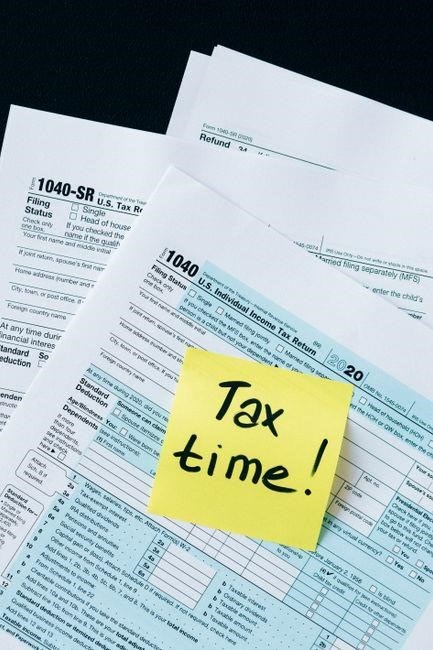
Schedule B requires reporting all contributors whose gifts are reported on line 1 of the return․ For 501(c)(3) and 527 entities, names, addresses, and amounts must be listed․ Other organizations may certify exemption if no reportable contributions exist․ Accurate records are mandatory Keep records
Mandatory Reporting for 501(c)(3) and 527
501(c)(3) and 527 organizations are subject to the most stringent reporting requirements on Schedule B․ The IRS mandates that every donor who contributed more than $5,000 in a calendar year, or whose cumulative contributions exceed $5,000, must be identified by name, address, and the exact amount donated․ These donors are listed in the “Contributors” section, and the form requires the organization to provide the donor’s name, street address, city, state, and ZIP code, as well as the total amount contributed during the reporting year․ For 501(c)(3) entities, the reporting threshold is $5,000, but for 527 political organizations, the threshold is $5,000 as well; however, 527s must also report donors who contributed $250 or more to any political campaign or candidate․ The form also requires the organization to disclose whether the donor is a corporation, partnership, trust, or individual․ In addition, 527s must report the donor’s employer and the donor’s occupation if the contribution is $5,000 or more․ The IRS uses this information to ensure compliance with contribution limits and to prevent undisclosed political activity․ Failure to report a qualifying donor can result in penalties and loss of tax‑exempt status․ Therefore, 501(c)(3) and 527 organizations must maintain accurate donor records, verify each contribution against the $5,000 threshold, and complete the required fields on Schedule B for each qualifying donor․ The form also requires the organization to disclose donor type and public status!
Exceptions for Other Organizations
While 501(c)(3) and 527 entities must report all donors exceeding $5,000, many other tax‑exempt groups are exempt from filing Schedule B․ The IRS allows certification of exemption by checking the box on Form 990, 990‑EZ, or 990‑PF․ Organizations not required to file Schedule B typically include those with fewer than $5,000 in total contributions, no donors over $5,000, or exempt under sections 501(c)(4), 501(c)(6), 501(c)(7), or 501(c)(8)․ Even when exempt from filing, such entities must retain donor information in their books and records for audit purposes․ The IRS may still request donor data during an audit, so accurate record‑keeping is essential․ If an organization later exceeds $5,000, it must file Schedule B retroactively for that year․ Failure to do so can trigger penalties and loss of exempt status․ Therefore, many groups can avoid filing Schedule B but should monitor donor totals and keep robust records․ The IRS also requires that any donor over $5,000 be documented in the organization’s books now

Instructions for Completing Schedule B
Use the IRS PDF guide (i990sb․pdf) for detailed steps․ Identify donors over $5,000, list name, address, and contribution amount․ Enter data into the appropriate lines, double‑check totals, and attach the form to the main return․ Keep records for audit․!!!
Data Sources and Preparation
Gather donor information from your organization’s internal records, including contributions reported on Form 990, 990‑EZ, or 990‑PF line 1․ Verify each donor’s name, address, and contribution amount against the IRS’s published thresholds․ Use the IRS Instructions for Schedule B (Rev․ December 2024) PDF as the authoritative reference for formatting and line‑by‑line guidance․ Prepare a master list in spreadsheet software, ensuring that donors exceeding the $5,000 threshold are flagged for inclusion․ Cross‑check totals with the aggregate contribution amount reported on the main return․ Maintain a copy of the source documents and the completed Schedule B in your books and records for audit purposes, even if the organization is exempt from filing the schedule․ Follow the continuous‑use guidance to keep the form up‑to‑date for tax year 2024 and beyond․ For any changes in regulations, consult the IRS guidance page for Form 990 Schedule B and the relevant Treasury decisions cited in the instructions․

To streamline data entry, many organizations adopt a standardized donor database that automatically exports the required fields to a CSV compatible with Schedule B․ When preparing the form, verify that the total of the reported contributions matches the sum of the donor amounts listed, and reconcile any discrepancies before submission․ Finally, retain a copy of the completed Schedule B and the supporting documentation for at least five years, as required by the IRS retention guidelines!
Key Fields and Definitions
Schedule B requires the following core fields for each qualifying donor: Contributor Name (the full legal name or business name), Contributor Address (street, city, state, ZIP, and country if foreign), Contribution Amount (the dollar value reported on line 1 of the main return), and Contribution Date (the date the donation was received)․ The form also includes a Total Contributions line that must equal the sum of all individual amounts listed․ Donors whose total contributions exceed the IRS threshold of $5,000 for the tax year must be reported; those below the threshold are exempt from disclosure but must remain in the organization’s books․ The Certification box indicates whether the organization is exempt from filing Schedule B; a “Yes” answer on the main return’s checklist or a checked box on Form 990‑EZ line H or Form 990‑PF Part I signals exemption․ Each field must be entered exactly as it appears in the organization’s donor ledger, and the IRS Glossary defines each term in the instructions․ Failure to provide accurate information can result in penalties or audit findings․ All data should be verified against the source documents before submission, and the completed Schedule B must be attached to the appropriate Form 990 series for the tax year․ The IRS requires that each entry be accurate and complete; failure to comply may trigger penalties or additional scrutiny during audits․ daily!!

Updates and Resources
Schedule B instructions are updated continuously․ The latest revision, released December 2024, remains in force for 2024 and beyond until a new version appears․ For real‑time guidance, visit IRS․gov/Form990SchB, where updates, FAQs, and downloadable PDFs are posted․ Keep records current! for compliance now!
Latest Revision and Publication Dates
Schedule B (Form 990) instructions are now in their December 2024 revision, which the IRS released as a continuous‑use document effective for the 2024 tax year and all subsequent years until a newer version supersedes it․ The official PDF, titled “Instructions for Schedule B (Form 990) (Rev․ December 2024),” is available on the IRS website and was published on Thursday, January 16, 2025 at 03:10:40 GMT․ The December 2024 revision supersedes the prior 2023 instructions, incorporating changes from the Taxpayer Relief Act of 2024 and the new guidance on contributor thresholds․ It clarifies the definition of “large contributor” and updates the reporting format for electronic submissions․ Organizations must review the appendix for updated tables and sample entries․ The IRS continues to provide updates on its Form 990SchB page, where users can find the latest PDF, FAQs, and any supplemental guidance issued after the January 2025 publication date․ Staying current with these revisions is essential for compliance and to avoid penalties related to incomplete or incorrect contributor disclosures․
Accessing IRS Guidance
To stay compliant with Schedule B (Form 990) requirements, the IRS offers several online resources․ The primary portal is the Form 990SchB page, where the current PDF instructions, FAQs, and a downloadable checklist are available․ Users can also access the latest instruction PDF directly, which includes detailed tables, example entries, and the updated definition of large contributors․ For interactive help, the IRS provides a Contact Your Local IRS Office link, allowing taxpayers to schedule a call or visit for personalized assistance․ Additionally, the Form 990 Publication page contains related guidance, including changes to the reporting threshold and the continuous‑use status of the form․ The IRS also publishes a Form 990 Publication that explains the overall return structure and links to Schedule B․ For those who prefer email support, the IRS’s Contact Us page lists phone numbers and email addresses for the nonprofit tax division․ Finally, the IRS Filing Online portal offers electronic filing options and real‑time validation checks for Schedule B data, ensuring that entries meet the latest formatting rules before submission․ All these resources are updated quarterly to reflect legislative changes and new IRS guidance․ Taxpayers are encouraged to review these resources annually to ensure alignment with any new regulatory updates that may affect contributor reporting obligations․ The IRS also offers webinars and virtual workshops on Schedule B, which cover common pitfalls and best practices for accurate donor disclosure․ These sessions are recorded and posted on the IRS website for future reference, and participants can request a copy of the guidance by mail if needed․


Leave a Reply
You must be logged in to post a comment.