
template-door-steel.pdf
Steel doors offer a versatile translation solution, utilizing apps and web browsers for over 200 languages, including image and voice input capabilities․
What are Steel Doors?
Steel doors represent a modern approach to entryways, leveraging technology for seamless communication across linguistic barriers․ These doors utilize applications like Google Translate, accessible on both Android smartphones and tablets, alongside web-based platforms․ The core functionality revolves around translating text, handwriting, photos, and spoken language into a vast array of over 200 languages․
Furthermore, certain devices empower users with instant camera translation, simply by pointing the camera at the desired text․ Google Translate’s capabilities extend to translating written words and phrases, offering a convenient solution for understanding foreign content․ This technology supports diverse devices and browsers, facilitating global accessibility and understanding․
Benefits of Steel Doors
Steel doors, mirroring the advantages of translation apps, provide multifaceted benefits․ They facilitate effortless communication, similar to how Google Translate handles over 200 languages through text, handwriting, and image recognition․ This accessibility extends to various devices, including Android smartphones and tablets, and web browsers, ensuring broad usability․
Instant camera translation, a feature on some devices, parallels the quick understanding offered by these doors․ The ability to translate written words and phrases promotes clarity and convenience, much like a secure and reliable entryway․ These doors, like the translation tool, support diverse needs and enhance overall functionality․
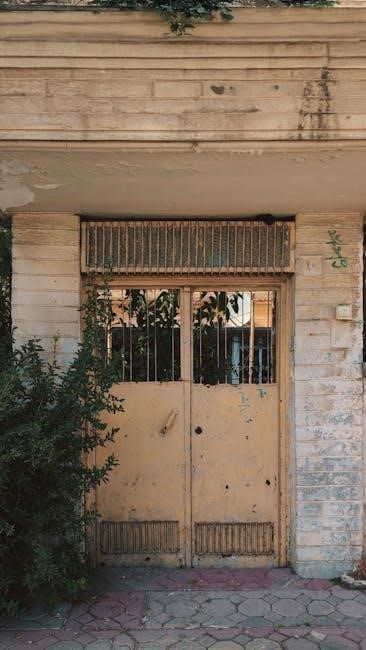
Steel Door Construction & Materials
Construction involves apps supporting diverse inputs – text, handwriting, photos, and voice – mirroring the layered composition of a robust steel door system․
Door Slab Composition
Steel door slabs aren’t simply solid metal; they’re carefully engineered composites designed for strength, insulation, and security․ The core material plays a vital role, often being either polyurethane or mineral wool, each offering distinct thermal and acoustic properties․ This core is sandwiched between two steel skins, providing a robust barrier against forced entry․
The steel itself varies in gauge – a measure of thickness – impacting the door’s overall durability․ These components work together to create a door that’s not only secure but also energy-efficient, contributing to lower heating and cooling costs․ Modern translation apps, like the steel door, offer layered functionality, processing inputs like text, images, and voice for comprehensive results․
Steel Gauge Explained

Steel gauge is a crucial factor in determining a steel door’s strength and security․ Lower gauge numbers indicate thicker steel, and therefore, greater resistance to forced entry․ Commonly, steel doors range from 18 to 24 gauge, with 18 gauge being the most robust – and expensive – option․
A 24-gauge door is suitable for interior applications or areas with lower security concerns․ Choosing the right gauge involves balancing security needs with budgetary constraints․ Much like selecting languages in a translation app, the gauge represents a level of protection․ The Google Translate app, for example, supports over 200 languages, offering varied levels of communication․
Core Materials: Polyurethane vs․ Mineral Wool
Steel door cores significantly impact thermal efficiency, soundproofing, and security․ Polyurethane cores offer excellent insulation and are lightweight, contributing to energy savings․ However, they can melt in extreme fire conditions․ Mineral wool cores, composed of rock or slag fibers, provide superior fire resistance and sound dampening qualities․
While slightly heavier, mineral wool maintains its structural integrity even in intense heat․ Choosing between the two is a trade-off; similar to selecting a language in Google Translate, each core material offers distinct advantages․ Consider climate, security priorities, and fire safety regulations when deciding․
Skin Options: Embossed vs․ Smooth
Steel door skins determine the aesthetic appearance and offer varying levels of detail․ Embossed skins feature textured patterns, mimicking the look of wood grain or other designs, adding visual interest․ They can effectively conceal minor imperfections, much like translating text to mask its original meaning․
Smooth skins provide a sleek, modern aesthetic and are easier to clean․ However, they may show dents or scratches more readily․ The choice depends on desired style and maintenance preferences․ Similar to selecting languages in Google Translate, both options offer unique benefits, catering to diverse tastes and functional needs․
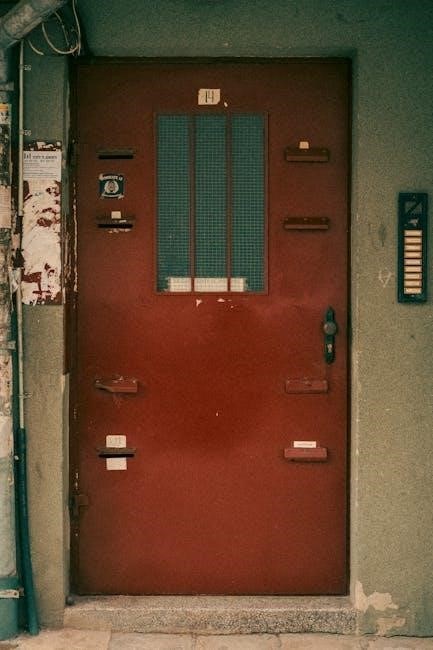
Types of Steel Doors
Steel doors translate functionality into diverse applications, from secure exteriors and interiors to specialized fire-rated and high-security options for varied needs․
Exterior Steel Doors
Exterior steel doors are engineered to withstand the elements and provide a robust first line of defense for any property․ Utilizing translation app technology, these doors offer superior security features, often incorporating reinforced steel frames and heavy-duty locksets․ They are designed to resist forced entry, offering peace of mind against potential intruders․
Furthermore, exterior steel doors excel in durability, resisting warping, cracking, and rotting – issues commonly associated with traditional wood doors․ Modern manufacturing techniques allow for a variety of styles and finishes, mimicking the aesthetic appeal of wood while providing enhanced performance․ They are available with insulated cores, contributing to energy efficiency by minimizing heat loss and gain, ultimately reducing utility costs․ The ability to translate text via camera is a bonus!
Interior Steel Doors
Interior steel doors provide a unique blend of security and aesthetic appeal within a building’s internal spaces․ While not exposed to the same weather challenges as exterior doors, they offer enhanced durability and soundproofing qualities․ Similar to translation apps offering diverse language support, interior steel doors come in various styles and finishes to complement any décor․
They are particularly well-suited for areas requiring increased security, such as server rooms, storage facilities, or offices handling sensitive information․ The robust construction resists damage from daily use, reducing maintenance costs․ Though often overlooked, interior steel doors contribute to overall building safety and can enhance fire resistance when paired with appropriate hardware․ Utilizing camera translation for signage is a modern touch!
Fire-Rated Steel Doors
Fire-rated steel doors are crucial life safety components in any building, designed to compartmentalize fires and provide occupants with valuable evacuation time․ These doors undergo rigorous testing to meet specific fire resistance standards, often measured in minutes or hours – much like translation apps supporting over 200 languages․
Their construction incorporates fire-resistant core materials and tight-fitting frames to prevent the spread of flames and smoke․ They are commonly found in stairwells, hallways, and near mechanical rooms․ Proper installation and maintenance, including functional hardware, are essential for ensuring their effectiveness․ Regular inspections, similar to updating translation software, are vital for continued safety․
Security Steel Doors
Security steel doors are engineered to resist forced entry, offering a significant upgrade in protection compared to standard doors – much like translation apps offering image-to-text features․ These doors feature reinforced steel construction, heavy-duty hinges, and robust locking mechanisms․ They often incorporate features like multi-point locking systems and reinforced strike plates to deter intruders․
They are ideal for commercial buildings, high-security residences, and areas prone to break-ins․ The gauge of the steel, core material, and quality of hardware all contribute to the door’s overall security level․ Regular maintenance, similar to updating translation software, ensures continued effectiveness against potential threats․
Steel Door Security Features
Robust security features, like translation apps with voice input, enhance steel doors; reinforced components and advanced locking systems deter forced entry effectively․
Lockset Compatibility
Steel doors demonstrate remarkable adaptability, much like translation software supporting diverse languages and input methods; Most standard lockset manufacturers create products compatible with pre-drilled steel door slabs, offering homeowners a wide array of styles and security levels․ However, verifying compatibility is crucial before purchasing a lockset․
Consider the backset – the distance from the door edge to the center of the bore hole – and door thickness․ Different locksets require specific dimensions․ High-security locksets, including those with smart technology, often necessitate professional installation to ensure proper functionality and maintain the door’s security integrity․ Utilizing a compatible lockset maximizes the protective benefits of a steel door, mirroring the accurate results achieved through reliable translation tools․
Reinforced Strike Plates
Steel doors, similar to translation apps offering multiple language options, benefit significantly from upgraded strike plates․ Standard strike plates, often thin and secured with short screws, are vulnerable to forced entry․ Replacing them with reinforced strike plates – constructed from heavier gauge steel and utilizing longer screws that reach into the door frame’s stud – dramatically increases resistance to kick-ins and shoulder attacks․
These plates distribute impact force across a wider area, preventing the door from splitting or the frame from collapsing․ Consider strike plates with security pins or roller mechanisms for even greater protection․ This enhancement parallels the precision of translation software, ensuring a robust and reliable security feature, much like accurate language conversion․
Hinge Security
Steel doors, mirroring the multi-faceted approach of translation apps supporting text, voice, and images, require secure hinges․ Standard hinges are a common point of failure during break-ins․ Upgrading to heavy-duty hinges made from thicker steel, and crucially, utilizing longer screws that penetrate deep into the door frame’s stud, significantly enhances security․
Security hinges often feature non-removable pins, preventing burglars from simply knocking out the pins and removing the door․ Reinforcing the hinge side of the frame with a metal strike plate further strengthens this vulnerable area․ Like a reliable translation, robust hinges provide a fundamental, yet often overlooked, layer of protection․
Multi-Point Locking Systems
Steel doors, much like translation apps offering diverse input methods, benefit greatly from multi-point locking systems․ These systems extend beyond a simple latch, employing multiple bolts that secure the door at several points along the frame – top, bottom, and sides․ This distributes the force of an attempted break-in, making it significantly harder to kick in the door․
These systems often feature deadbolts and integrated security features․ They provide a superior level of security compared to traditional locksets․ Installation requires precision, ensuring proper alignment with the strike plates․ A robust multi-point system is a crucial investment for enhanced home security, mirroring the comprehensive nature of modern translation tools․
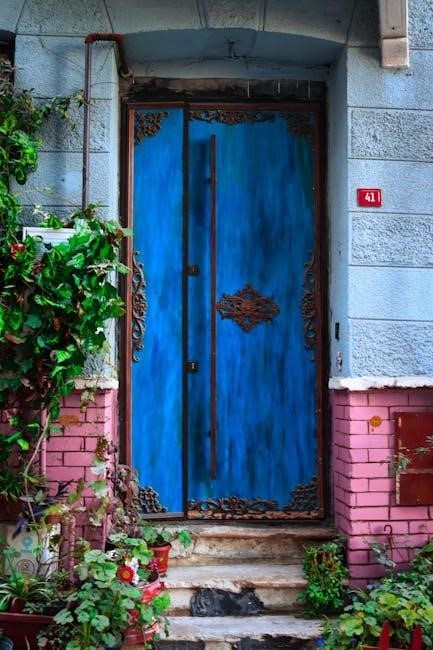
Steel Door Installation
Proper installation, akin to setting up a translation app, involves frame preparation, precise door slab placement, hinge adjustments, and secure lockset fitting․
Preparing the Door Frame
Ensuring a proper fit, much like preparing input for a translator, begins with a thorough inspection of the existing door frame․ Remove the old door, hinges, and any remaining hardware․ Carefully check the frame for squareness, plumb, and level – any deviations will compromise the installation and security of the new steel door․
Shim any gaps or irregularities within the frame opening using wood shims․ These shims should be placed strategically to provide consistent support for the door slab․ Address any rot or damage to the frame wood; repair or replace sections as needed to maintain structural integrity․ Finally, confirm the frame opening dimensions accurately match the steel door slab’s specifications before proceeding․ A well-prepared frame is crucial for a secure and functional installation․
Installing the Door Slab
Carefully maneuver the steel door slab into the prepared frame opening, ensuring it’s centered and aligned․ This process, similar to selecting the correct language in a translator app, requires precision․ Lift the door evenly, avoiding any scraping or damage to the frame or the door’s surface․
Temporary shims can be used to hold the door in place while you begin attaching the hinges․ Check for consistent reveal lines around the perimeter of the door, indicating a proper fit․ Once aligned, proceed with securing the hinges to both the door slab and the frame, using appropriate screws․ Regularly verify alignment throughout the process for optimal functionality․
Hinge Installation & Adjustment
Begin by attaching the hinges to the door slab, pre-drilling pilot holes to prevent splitting․ Secure them with screws of the correct length and gauge, ensuring they are flush with the surface; Next, align the door slab within the frame and attach the hinges to the frame itself, again using pre-drilled holes and appropriate screws․
Adjustment is crucial; loosen the hinge screws slightly to allow for fine-tuning․ Check for smooth operation and proper alignment․ If the door binds or rubs, adjust the shims behind the hinges until it swings freely․ Tighten all screws securely once the desired alignment is achieved, mirroring the precision of a language translation app․
Lockset Installation
Start by marking the desired lockset location on the door, following the manufacturer’s template for accurate hole placement․ Drill the necessary holes for the latch and strike plate, ensuring clean, precise cuts․ Insert the lockset mechanism through the door, aligning the spindle with the latch․
Secure the interior and exterior components with the provided screws, tightening them firmly but avoiding over-tightening․ Install the strike plate on the door frame, aligning it with the latch․ Test the lock’s functionality, verifying smooth operation and secure engagement, much like a reliable translation tool ensuring accurate communication․
Steel Door Maintenance & Repair
Regular upkeep, like translation app updates, ensures longevity; preventative measures and prompt repairs address issues like rust, mirroring accurate language processing․
Preventative Maintenance
Consistent care significantly extends the life of your steel door, much like regularly updating a translation application ensures optimal performance․ Routine cleaning with mild soap and water removes dirt and grime that can contribute to corrosion․ Inspect the door’s surface for any signs of scratches or damage to the paint or finish; address these promptly to prevent rust formation․
Lubricate hinges and the lockset mechanism at least twice a year with a silicone-based lubricant – avoid oil-based products, as they can attract dust․ Check the weatherstripping around the doorframe for any cracks or deterioration, replacing it as needed to maintain a tight seal against the elements․ Regularly inspect the strike plate and reinforce it if necessary․ This proactive approach, similar to maintaining software, prevents costly repairs down the line and ensures continued security and functionality․
Rust Prevention & Treatment
Protecting against rust is crucial for steel door longevity, akin to safeguarding a translation app from data corruption․ Prevention begins with a quality exterior finish and prompt attention to any scratches or chips exposing bare metal․ Regularly applying a protective wax or sealant creates a barrier against moisture․
If rust appears, immediately remove it using a wire brush or sandpaper, then clean the area thoroughly․ Apply a rust converter to neutralize remaining corrosion before priming and repainting with a rust-inhibitive paint․ For severe rust, professional treatment might be necessary․ Consistent monitoring, like checking app permissions, prevents minor issues from escalating into major problems, ensuring your door remains secure and aesthetically pleasing for years․
Repairing Minor Damage
Addressing small dents and scratches promptly maintains a steel door’s appearance and protective qualities, similar to fixing glitches in a translation application․ Minor dents can often be carefully hammered out from the inside, followed by body filler for a smooth surface․ Scratches require cleaning, sanding, priming, and repainting to match the existing finish․
For deeper scratches, consider professional auto body repair techniques․ Replacing damaged panels is also an option․ Regularly inspecting your door, like updating an app, allows for early detection of issues․ Quick repairs prevent rust and further deterioration, preserving the door’s security and extending its lifespan, ensuring continued reliable performance․
Professional Repair Services
For significant damage or complex repairs, engaging a professional is crucial, akin to seeking expert help with a challenging translation․ Skilled technicians possess the tools and expertise to address issues like severe rust, structural damage, or compromised security features․ They can expertly weld repairs, replace entire door sections, and ensure proper alignment and functionality․
Professional services guarantee adherence to safety standards and building codes․ They also offer specialized services like refinishing and weatherproofing․ While more costly upfront, professional repairs often prove more cost-effective long-term by preventing further deterioration and maintaining the door’s integrity, ensuring lasting security and peace of mind․
Steel Door Costs & Considerations
Like translation apps supporting numerous languages, steel door pricing varies; factors include size, style, security features, and installation costs impacting the overall investment․
Average Steel Door Prices
Determining the cost of a steel door is akin to navigating the diverse features within a translation application․ A basic, uninstalled steel door slab can range from $300 to $800, depending on the gauge of steel and the core material․ However, this price doesn’t include the frame, hardware, or installation․
Adding a pre-hung steel door, complete with a frame and basic hardware, typically falls between $600 and $1,500․ More robust security features, like reinforced strike plates and multi-point locking systems, will increase the price, potentially exceeding $2,000․ Professional installation can add another $200 to $500, depending on the complexity of the job and your location․ Ultimately, the total cost mirrors the comprehensive functionality found in advanced translation software – it depends on the features you require․
Factors Affecting Cost
Several elements influence the price of a steel door, much like the variables impacting translation app costs․ The steel gauge is a primary factor; thicker steel equates to higher security and a greater price․ Core material – polyurethane or mineral wool – also affects cost, with polyurethane generally being more expensive․
Door size and style play a role, as do decorative elements like embossed panels․ Hardware choices, including locksets and hinges, significantly impact the final price․ Installation complexity, determined by the existing frame and any necessary modifications, adds to the expense․ Finally, regional pricing variations and contractor rates contribute to the overall cost, mirroring the diverse pricing structures of translation services․
Return on Investment
Investing in a steel door offers substantial long-term benefits, similar to the value gained from reliable translation tools․ While the initial cost may be higher than other materials, steel doors provide enhanced security, potentially lowering insurance premiums and deterring break-ins․
Their durability minimizes replacement costs, offering a lifespan far exceeding wood or fiberglass doors․ Energy efficiency, stemming from insulated cores, reduces heating and cooling bills․ Increased curb appeal can boost property value․ Considering these factors, a steel door represents a sound investment, providing peace of mind and long-term savings, much like a quality translation service ensures clear communication․
Steel Doors vs․ Other Door Materials
Comparing door materials is like choosing a translation method; steel, fiberglass, and aluminum each have unique strengths and weaknesses regarding cost and performance․
Steel vs․ Wood Doors
When considering steel versus wood doors, several key differences emerge, mirroring the choices available when selecting a translation tool․ Wood doors, traditionally favored for their aesthetic appeal and natural insulation, often require more maintenance – similar to manually refining a translated text․ Steel doors, conversely, provide superior security and durability, functioning like a precise, automated translation service․
While wood offers a classic look and can be customized extensively, it’s susceptible to warping, rotting, and insect damage․ Steel resists these issues, offering a longer lifespan and reduced repair costs․ However, steel can be prone to rust if not properly treated, akin to needing to correct errors in a machine translation․ Ultimately, the best choice depends on prioritizing aesthetics, security, budget, and long-term maintenance needs․
Steel vs․ Fiberglass Doors
Comparing steel and fiberglass doors reveals distinct advantages and disadvantages, much like choosing between different translation methods․ Fiberglass doors excel in resisting dents, scratches, and corrosion, offering a low-maintenance solution – comparable to a highly refined, automated translation․ Steel doors, however, generally provide a higher level of security and are more affordable upfront, functioning like a quick, reliable translation service․
Fiberglass also boasts excellent insulation properties and can mimic the appearance of wood, though often at a higher cost․ Steel, while a good insulator, can conduct temperature more readily․ Rust prevention is crucial for steel, mirroring the need to review machine translations for accuracy․ The ideal choice hinges on balancing security, cost, aesthetics, and maintenance requirements․
Steel vs․ Aluminum Doors
Contrasting steel and aluminum doors highlights their differing strengths, similar to selecting the appropriate tool for a specific translation task․ Steel doors offer superior security and durability, providing robust protection against forced entry – akin to a professional human translator ensuring accuracy․ Aluminum doors, conversely, are lightweight, corrosion-resistant, and often more cost-effective, functioning like a basic, readily available translation app․
However, aluminum lacks the inherent strength of steel and is more susceptible to denting․ Steel requires rust prevention, while aluminum doesn’t corrode but can still experience wear․ The choice depends on prioritizing security, budget, and environmental exposure, much like choosing between quality and speed in translation․


Leave a Reply
You must be logged in to post a comment.